
Last updated November 2, 2026
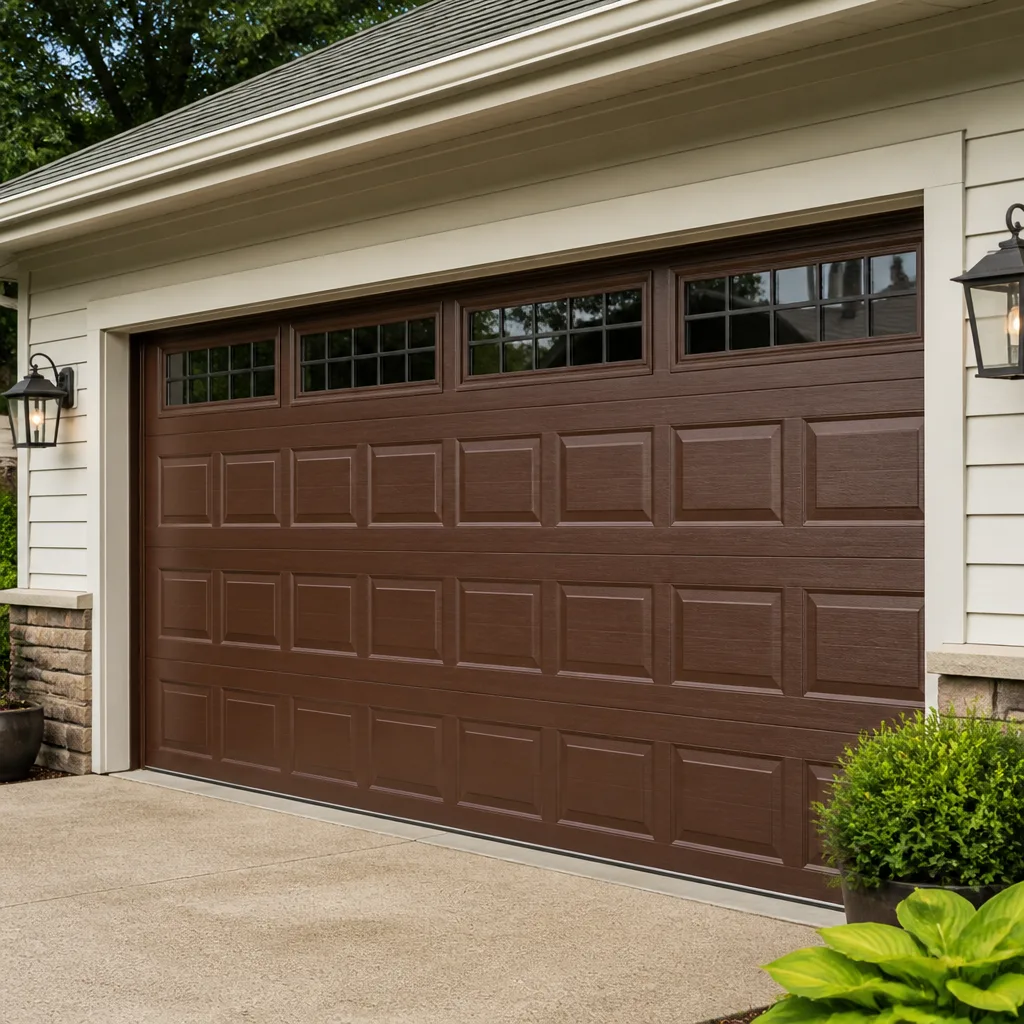 Raised-panel steel
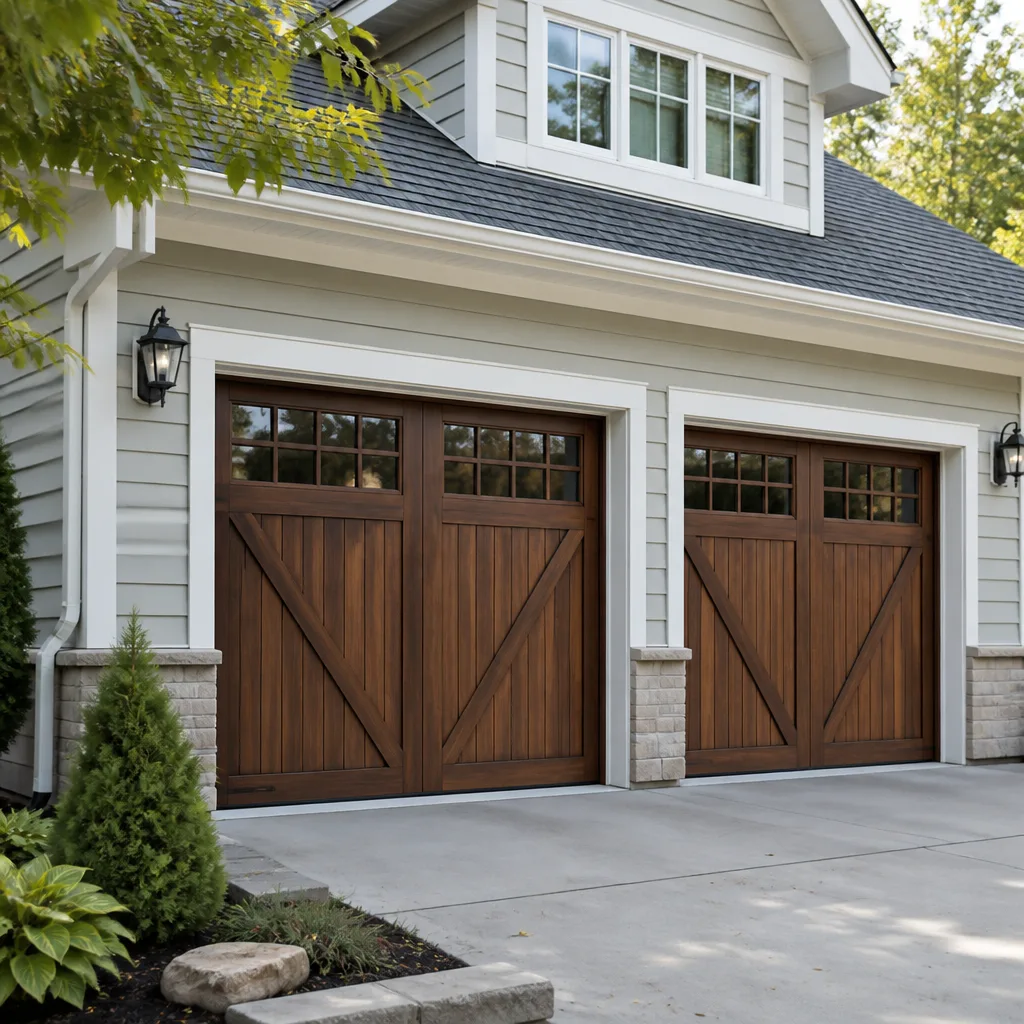 Carriage house
 Modern flush
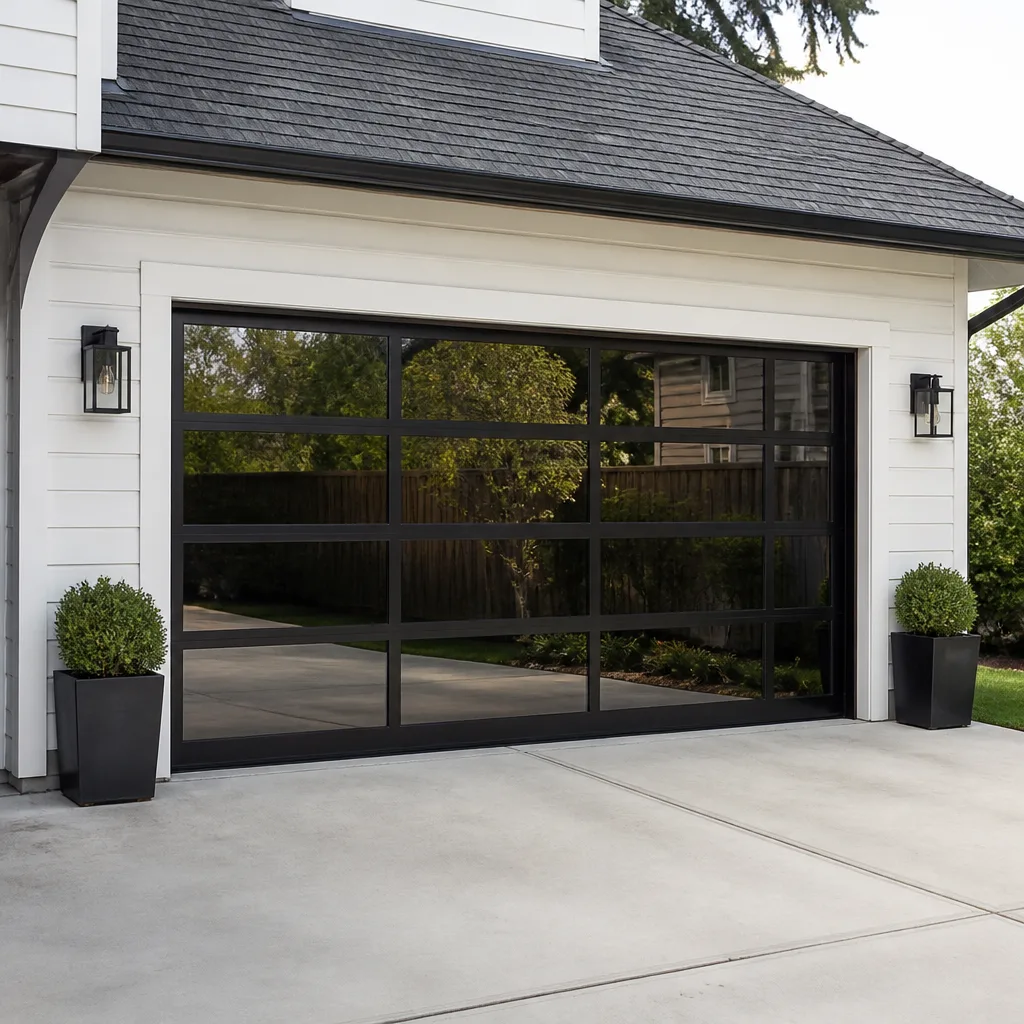 Full-view glass
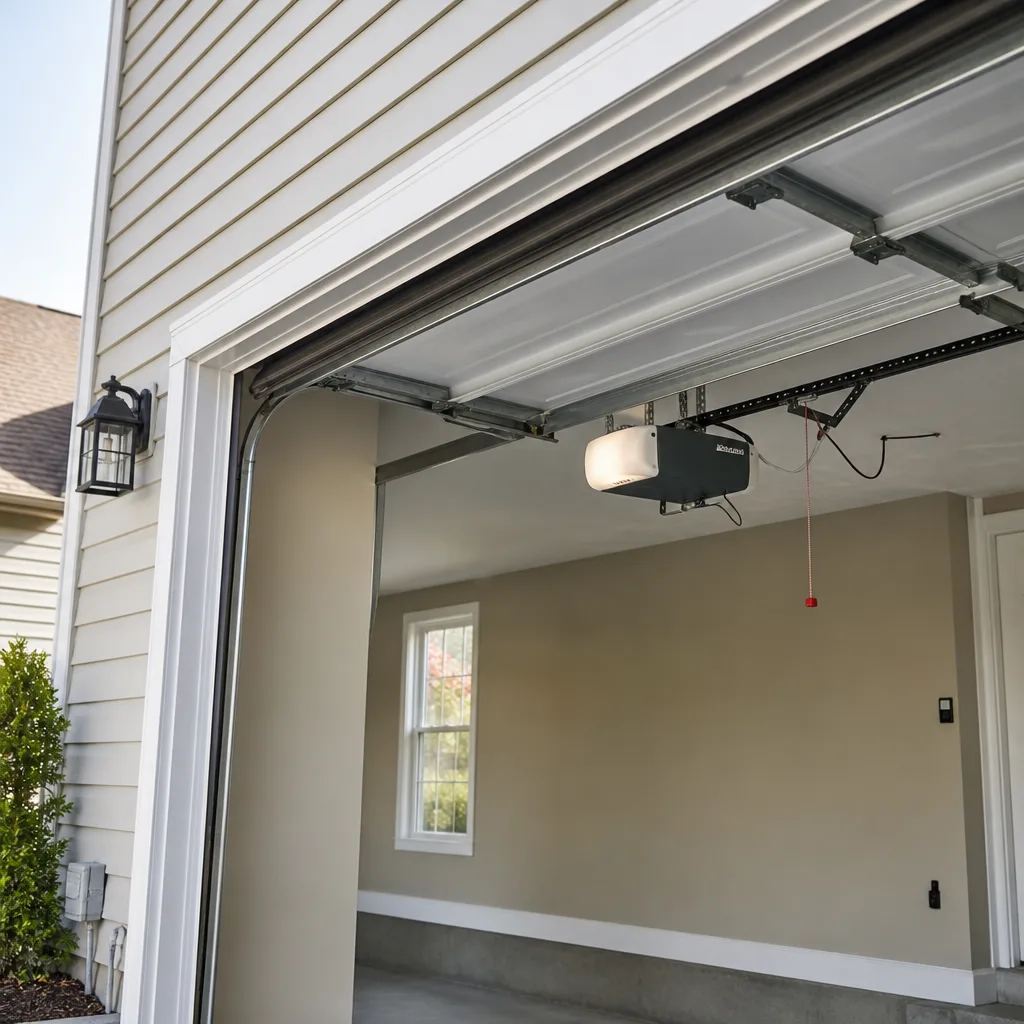 LiftMaster openers
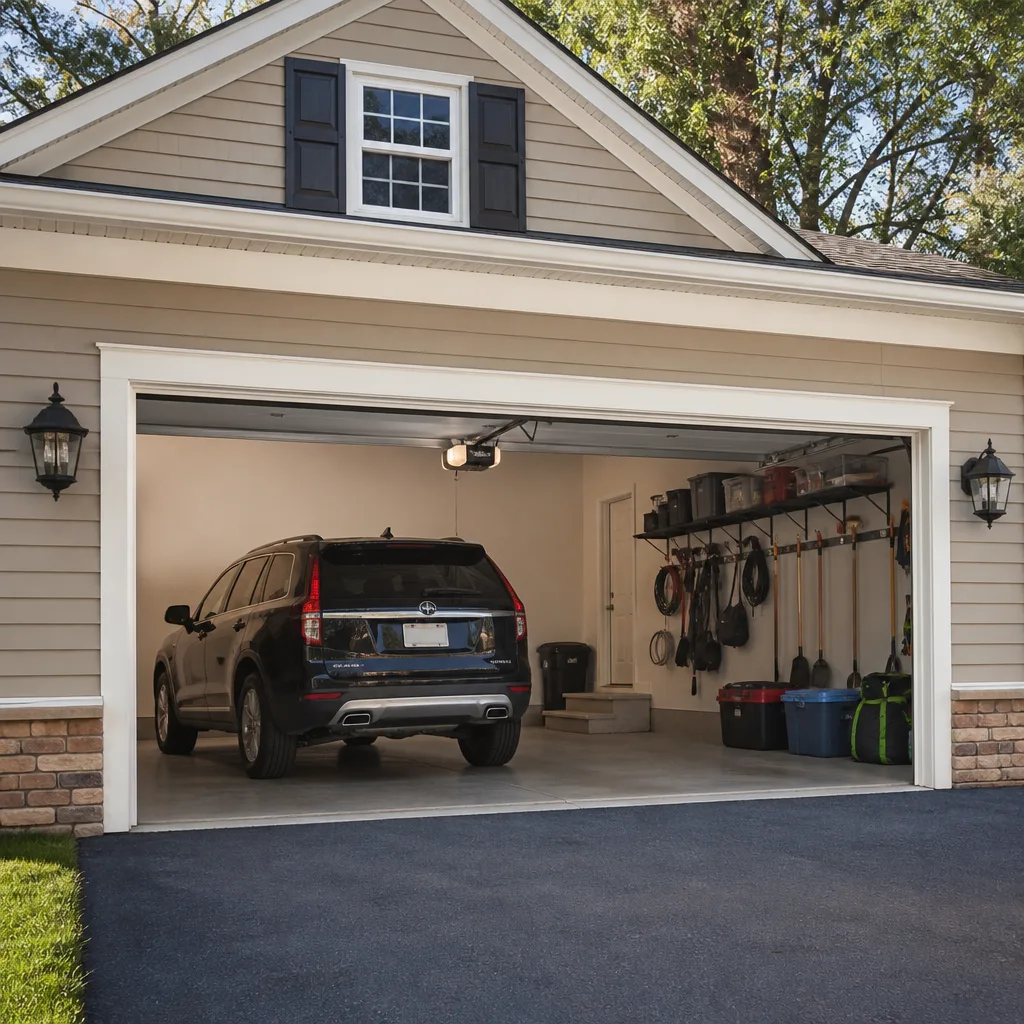 Chamberlain openers
Full 25-point door and opener safety check with every visit - springs, cables, rollers, tracks, and your LiftMaster or Chamberlain opener included
You get a price before we start. It does not change when the truck arrives.
Get your free estimateGarage Door Emergency Preparedness Guide for Apple Valley Homes
Here’s the situation most Apple Valley homeowners don’t think about until it’s 2 a.m. and the wind is howling: during a power outage, your electric garage door opener stops working. That’s obvious. What’s less obvious is that the door itself is now a dead weight, and if the spring is tired or the track is slightly out of alignment, pulling that red emergency cord won’t work the way YouTube promised. Apple Valley averages more outage hours per year than most of Southern California, driven by high-wind events that snap lines along Highway 18 and Bear Valley Road. This guide covers what actually happens to your door when the power fails, how to get your car out safely, which backup systems are worth your money, and what to check before you re-engage the opener after a bad storm.
Quick Answer
Garage door emergency preparedness in Apple Valley means knowing three things: how to release your door from the opener manually (and what to do differently if the spring is broken), which backup power option fits your opener model, and what wildfire evacuation protocol requires from a smart opener. Most emergency failures are preventable with a $20 spare parts kit and a 10-minute seasonal inspection – see our Garage Door Repair Maintenance Checklist for Apple Valley Homeowners for specifics. This guide walks you through each step, specific to the wind, heat, and wildfire conditions we deal with in the High Desert.
Styles & brands we work with
- Raised-panel steel
- Carriage house
- Modern flush
- Full-view glass
- LiftMaster openers
- Chamberlain openers
Table of Contents
- The Power Outage Reality in Apple Valley
- How to Operate Your Door Manually During an Outage
- What Changes When the Spring Is Broken
- Battery Backup Options: Built-In vs. Add-On
- Wildfire Evacuation Protocol for Smart Openers
- Post-Windstorm Inspection Before Re-Engaging Power
- The $20 Emergency Parts Kit That Prevents Most Calls
- Common Mistakes to Avoid
- When to Call a Professional
- Frequently Asked Questions
The Power Outage Reality in Apple Valley
Apple Valley sits at the edge of the Mojave, where the wind doesn’t just blow. It gathers speed across open desert and slams into the foothills. Southern California Edison’s public outage data shows that the High Desert corridor, including Apple Valley, Hesperia, and Victorville, consistently ranks among the top outage zones in the region for wind-related line damage. When those outages hit, your garage door opener, which relies on 120-volt household current, becomes a paperweight. The door itself is still a 150 to 300 pound panel, depending on whether you have a steel Clopay, a wood-composite Amarr, or an aluminum-frame model. That weight is usually offset by the torsion spring system. The opener only supplies the muscle to move it. When power drops, the opener stops, but the door doesn’t become lighter.
What surprises most homeowners is how quickly they become dependent on the garage as their primary entry point. In Apple Valley, where most homes are built with attached garages and the front door is often a secondary access point, losing garage access is losing your main entrance. We’ve seen customers push the wall button out of habit, hear nothing, and then realize they have no idea where the manual release cord is or how it works. That’s the moment this guide is for.
The average Apple Valley outage during a windstorm lasts between two and six hours, though extended events during Santa Ana wind seasons have knocked power out for over 24 hours in neighborhoods off Highway 18 and around Apple Valley Road. That’s long enough to miss work, skip a medical appointment, or get stuck at home when you need to leave. A backup plan isn’t optional here. It’s basic household infrastructure, like keeping bottled water or a flashlight.
How to Operate Your Door Manually During an Outage
The red emergency release cord hanging from your opener rail is the first thing most people reach for during a power outage. Pulling it disconnects the opener trolley from the door carriage, which frees the door to move by hand. The sequence matters more than the cord itself. Here’s the step-by-step process we teach every Apple Valley homeowner we visit:
- Close the door first if it’s open. Pulling the release while the door is open can send it crashing down if the spring is weak or broken. If the door is closed, skip to step 2.
- Pull the red release cord straight down and slightly back toward the door. You should hear or feel a click as the trolley disengages.
- Test the door by hand before lifting. Place both hands on the bottom section and try to lift about six inches. If it rises with moderate effort and holds its position, the springs are doing their job. If it won’t budge or feels like dead weight, stop. You have a spring problem, not a power problem.
- Lift the door fully open using the handles or the bottom edge. Keep your back straight and use your legs. The door should roll smoothly on its track.
- Once open, secure the door if you’re leaving it that way. In high-wind conditions common in Apple Valley, an open door can catch a gust and slam. Place a vise grip or C-clamp on the track just below a roller to lock it in place.
- To close it manually, lower it carefully and re-engage the trolley by pulling the release cord once more toward the opener. The trolley will click back into the carriage when the opener next operates.
One detail people miss: if your door has a manual slide lock, engage it after closing the door manually at night. A door disconnected from the opener is also disconnected from the opener’s electronic lock. Anyone can walk up and lift it. In Apple Valley, where attached garages often contain tools, bikes, and second refrigerators, that’s a real security gap during an extended outage.
If you’re not sure whether your springs are healthy, or the door feels unusually heavy when you test it, that’s a sign the spring has lost tension or is nearing failure. Our Garage Door Repair in Apple Valley service includes a spring tension check as part of every visit. It’s the single most important safety check on your door, and the one most likely to be overdue.
What Changes When the Spring Is Broken
Here’s the part most emergency guides skip. The red cord releases the opener. It does not release the spring. Your torsion spring, mounted above the door, is what counterbalances the door’s weight. When that spring breaks, which happens without warning and often with a loud bang that sounds like a gunshot, the door becomes effectively unliftable by hand. A 200-pound door with a broken spring behaves like a 200-pound dead load. You will not lift it from the bottom. You’ll hurt yourself trying.
So during a power outage, if you pull the red cord and the door won’t lift, don’t force it. The problem isn’t the outage. The spring was already compromised, and the outage just made it obvious. In Apple Valley, the temperature swings between summer highs above 100°F and winter lows near freezing put extra stress on spring metal. The average torsion spring in this climate lasts 7 to 10 years, and many fail during the first cold snap of winter when the steel contracts. A broken spring during an outage means the door stays wherever it is until a technician replaces the spring and re-engages the opener.
One thing you can do: if the door is closed when the spring breaks, your car is locked inside. The manual release won’t help. This is why we recommend knowing the condition of your springs before emergency season. A technician can inspect the spring and tell you roughly how much life it has left. It’s a five-minute check that prevents a seven-day headache. You can learn more about what spring replacement involves on our Garage Door Installation in Apple Valley page, where we cover how doors and springs work as a system.
Battery Backup Options: Built-In vs. Add-On
Battery backup for a garage door opener is no longer a luxury add-on. It’s standard equipment on most new openers, and for good reason. When the power drops, a backup battery lets the opener run the door through a limited number of cycles, typically 20 to 50 open-close operations depending on the model and battery condition. That’s enough to get through most Apple Valley outages, but it’s not unlimited. Here’s how the options break down.
Built-in backup: Newer LiftMaster and Chamberlain openers in the 8500 and B series, along with several Genie belt-drive models, come with an integrated battery that charges while the opener runs on household current. When power drops, the opener switches to battery automatically. You may not even notice the transition. Runtime varies, but realistically, you should expect 24 to 48 hours of standby time with occasional use. The battery degrades over time, and we see 4 to 5 year old batteries delivering roughly half their original capacity in Apple Valley’s hot garages, where summer temperatures can exceed 110°F inside an unventilated garage.
Add-on backup: If you have an older Chamberlain, LiftMaster, or Genie opener without a native battery, you can often retrofit a backup unit. Chamberlain and LiftMaster sell a compatible backup kit for many models made after 2011. Genie offers a similar option for its Aladdin Connect-compatible openers. Installation is straightforward, but the kit has to match your opener’s model number. We’ve seen well-meaning homeowners buy the wrong kit online and end up with a paperweight. If you tell us your opener model, we can tell you which backup unit fits it, and whether the cost makes sense versus replacing the opener outright.
One brand worth knowing: Wayne Dalton openers, less common in Apple Valley than LiftMaster or Chamberlain, generally do not support aftermarket backup batteries. If you have a Wayne Dalton unit and backup power matters to you, a new opener is the cleaner path. Our Garage Door Opener Repair in Apple Valley page covers opener diagnostics and replacement options without pushing you toward a specific brand. Our recommendation is based on your door and your budget, not on a vendor relationship.
Wildfire Evacuation Protocol for Smart Openers
Apple Valley sits on the edge of wildfire country. The Sheep Fire, the Blue Cut Fire, and the South Fire all forced evacuations or pre-evacuation warnings in recent years. When an evacuation order comes, the garage door becomes a detail most people don’t think about until a firefighter in a brush truck needs to open it to check for people or pets, or to create a fire break behind the house.
Here’s the problem: smart openers with automatic locking mechanisms, including newer LiftMaster and Chamberlain models with Auto-Lock, engage a deadbolt when the door closes. That deadbolt is a good security feature under normal conditions, but during an evacuation, it can prevent emergency responders from manually lifting the door. Firefighters and utility workers who need quick access to your garage will pull the manual release, but if the Auto-Lock deadbolt is engaged, the door won’t lift from outside or inside without the opener operating.
Your evacuation checklist should include this step: disable the automatic lock before you leave. On LiftMaster and Chamberlain smart openers, this is done through the myQ app under the door settings. On Genie openers with Aladdin Connect, the equivalent setting is under the lock feature toggle. If you’re not sure how to do this, do it now, before you need to. It takes two minutes. Then, before you evacuate, pull the manual release cord so the door is physically disconnected from the opener and can be lifted by hand. Close the door behind you. Emergency personnel can then open it with a simple lift.
We also recommend writing your gate code, if you have one, on a piece of paper and leaving it with a trusted neighbor. During the Blue Cut Fire, some evacuated Apple Valley residents couldn’t get messages to neighbors about how to access their property. A paper note at the neighbor’s house solved it. Low-tech, high-impact.
Post-Windstorm Inspection Before Re-Engaging Power
High wind in Apple Valley doesn’t just knock out power. It sends tumbleweeds the size of small cars across yards, flings patio furniture, and, in the worst storms, pushes debris against garage doors hard enough to dent panels or pop rollers out of the track. When power returns, the worst thing you can do is hit the wall button and let the opener run a door that isn’t sitting right. Here’s the three-check sequence we teach every customer, and do ourselves on service calls after major wind events:
- Check track clearance. Stand inside the garage with the door closed and look along both vertical tracks. Anything resting against the track, a brick, a branch, a stray rake, will bind the rollers. Remove it before running the door.
- Check panel alignment. Look at the horizontal seams between sections of the door. If any seam is wider on one side than the other, or if the door surface shows a visible twist, a panel or hinge may have shifted. Run the door and listen for grinding. If it grinds, stop and call a technician. Forced operation will tear up rollers and can bend the track.
- Check bottom seal contact. With the door closed, look at the rubber strip along the bottom edge. It should touch the concrete floor evenly from left to right. In Apple Valley’s dry climate, bottom seals harden and crack faster than they do in coastal areas. If the seal is split or compressed on one side, dust and critters will get in, and they do, especially in fall when temperatures swing.
After a hard windstorm, we also see an uptick in doors that won’t close all the way. The issue is usually a limit switch that got knocked out of adjustment when the door took a hit. The opener thinks the door has reached the floor when it hasn’t. If your door reverses right after touching the ground, or leaves a half-inch gap, have the opener’s travel limits recalibrated. It’s a quick fix, but guessing at it can damage the door.
The $20 Emergency Parts Kit That Prevents Most Calls
Here’s a list of parts that cost almost nothing and solve a surprising number of the emergency calls we get in Apple Valley. Keep these in a labeled bin on a garage shelf. Total cost: under $20 at any hardware store.
- One bottom roller. Rollers wear out, and when one pops off the track, the door jams. A spare bottom roller with the correct stem length for your track gets the door moving in ten minutes. Match the old roller before you buy.
- One 9-volt battery for the keypad. More than half the “my garage door won’t open” calls during Apple Valley heat waves are dead keypad batteries. The opener works fine from the wall button, but the outside keypad is dead. A fresh 9-volt solves it.
- One photoelectric sensor alignment target. The small sensors near the floor on either side of the door can get nudged out of alignment by kids, bikes, or yard tools. A builder’s level or even a smartphone with a level app realigns them in minutes. No part to buy, but a spare sensor bracket is cheap insurance.
- A can of garage door lubricant (white lithium or silicone spray). Not WD-40. WD-40 is a solvent that strips the grease. White lithium spray on hinges, rollers, and the spring keeps the door quiet and reduces strain. In Apple Valley’s dry, dusty air, lubrication intervals should be every six months.
- Two fresh CR2032 batteries for wireless keypads and remote controls. Same principle as the 9-volt. We replace more dead remote batteries than broken openers.
One caveat: rollers and brackets wear differently depending on the door brand. A Clopay door and an Amarr door may use different roller stem lengths. If you’re buying a spare roller without matching it to the existing one, you’re guessing. Bring the old roller to the hardware store or have a technician identify the right size. Our Brightwater Garage Door Repair home page explains our approach to brand-specific parts matching, which matters more than people expect.
Common Mistakes to Avoid
- Pulling the red cord with the door open. If the spring is healthy, the door will slam down hard enough to crack a panel or bend the track. If the spring is broken, it drops instantly. Always close the door first.
- Forcing a door that won’t lift manually. A broken spring won’t respond to muscle. You’ll injure your back or shoulder, and the door will still be stuck. Stop and call.
- Re-engaging the opener after a storm without checking the track. Debris in the track turns into a bent track and a damaged opener in about three seconds. The three-check sequence takes two minutes.
- Ignoring the automatic lock during wildfire evacuation. A deadbolt engaged on a smart opener blocks manual access for first responders. Disable it before you leave.
- Lubricating with WD-40. It strips the grease and accelerates wear in Apple Valley’s dusty conditions. Use white lithium or silicone.
- Waiting until the power is out to find the manual release cord. Practice the release procedure once on a normal day. You’ll be calmer and faster when it counts.
- Assuming the opener battery charges during an outage. It doesn’t. The battery drains with each use and only recharges when household power returns. Conserve cycles during extended outages.
When to Call a Professional
Some situations need a technician, period. If the door won’t lift manually after you pull the release, the spring is broken or the door is wedged hard. If you hear a loud bang and then nothing works, the spring has failed and the door is unsafe to touch. If the door reverses when closing and you can’t identify a blockage, the travel limits or safety sensors need diagnostic work. And if you have a Wayne Dalton opener and want battery backup, that’s an opener replacement conversation, not a retrofit. Brightwater Garage Door Repair offers free estimates in Apple Valley – call (855) 473-2508. We diagnose the mechanical and electrical side in the same visit, so you’re not stuck coordinating two contractors.
Frequently Asked Questions
Pull the red emergency release cord hanging from the opener rail, then lift the door by hand from the bottom. If the door won’t lift or feels extremely heavy, the spring has failed and the door needs professional repair. Call (855) 473-2508 for a free estimate.
Many newer LiftMaster and Chamberlain models in the 8500 and B series include integrated battery backup, as do several Genie belt-drive openers. Older units usually require a compatible add-on battery kit. We can match a backup solution to your opener model during a service visit in Apple Valley.
Disable the automatic lock on your smart opener through the app, pull the manual release cord, close the door, and leave the garage door disconnected from the opener. This allows emergency responders to lift the door manually without power or app access.
Expect 20 to 50 open-close cycles from a fully charged backup battery, depending on the opener model and battery age. In Apple Valley’s hot garages, batteries degrade faster, and a 4 to 5 year old battery may only hold half its original capacity. Test your battery annually.
High winds can knock the safety sensors out of alignment or shift the door’s travel limits, causing the opener to reverse or leave a gap. Check for debris in the tracks first, then check sensor alignment. If the problem persists, the opener needs recalibration. Brightwater Garage Door Repair handles this during a standard service call in Apple Valley.
Keep one bottom roller, a fresh 9-volt battery for the exterior keypad, two CR2032 batteries for remotes, and a can of white lithium spray lubricant. Together these cost under $20 and resolve most common non-spring emergency calls. Match the roller to your door brand, especially if you have a Clopay or Amarr door.
The Bottom Line
Garage door emergencies in Apple Valley rarely announce themselves. The power drops during a windstorm, a spring snaps during the first cold night, or an evacuation order sends you scrambling to figure out how to leave your garage accessible. The fix is preparation: know how the manual release works, keep a $20 parts kit on the shelf, decide now whether your opener needs a battery backup, and write the wildfire protocol into your evacuation checklist. None of this takes more than an afternoon to set up. Most of it takes ten minutes. The alternative is learning all of it at 2 a.m. during a High Desert windstorm, which is the worst possible classroom – though our more guides & resources can help you prepare before then. If you’d rather have a professional walk you through it, call Brightwater Garage Door Repair at (855) 473-2508 and we’ll check your door, your springs, and your opener in one visit.
Written by the team at Brightwater Garage Door Repair, serving Apple Valley since 2018.
See the difference
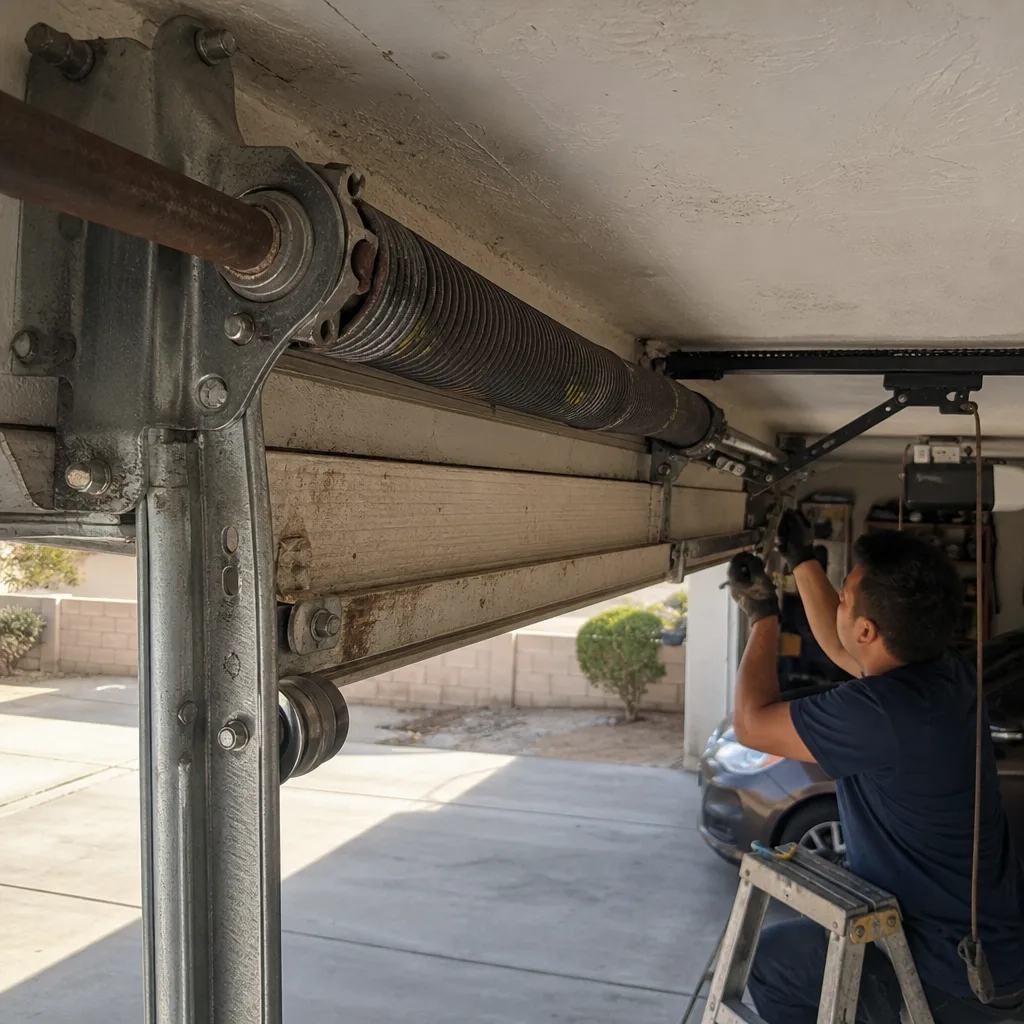 Before
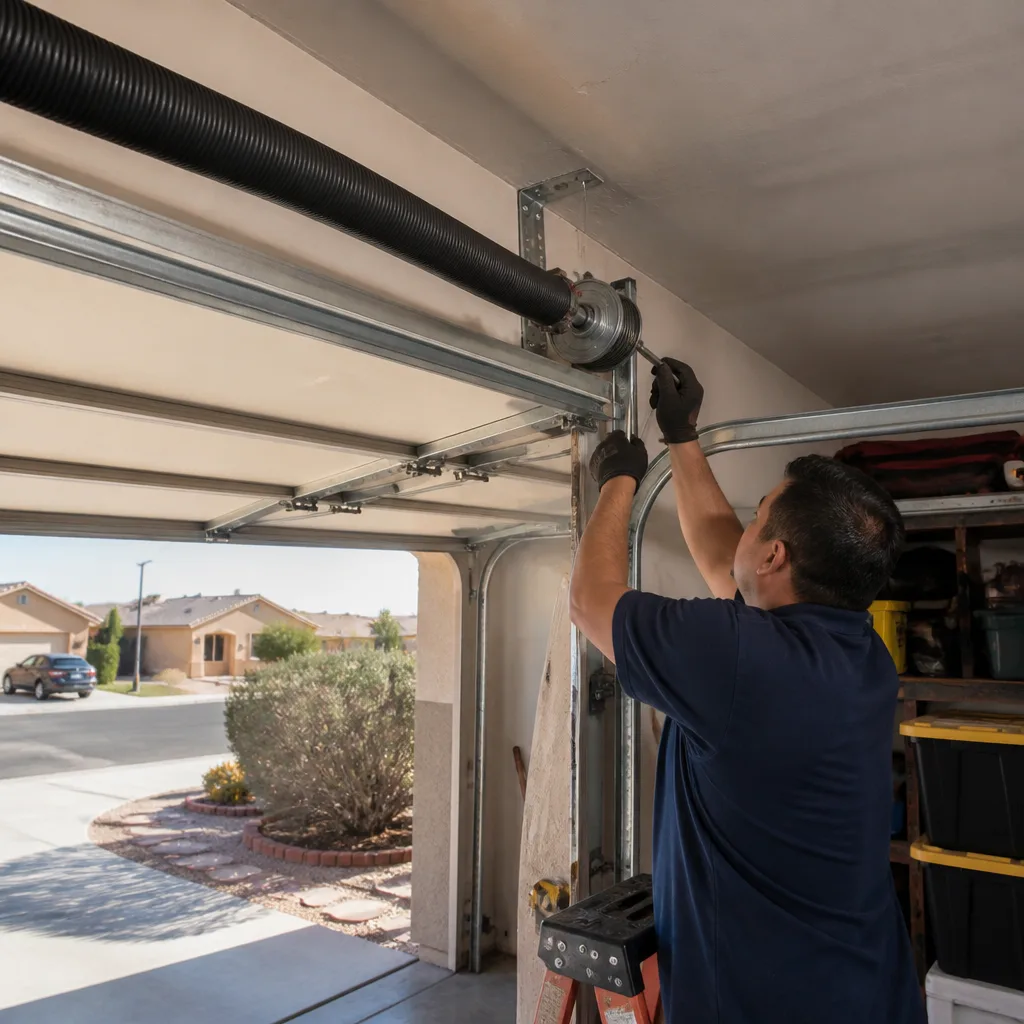 After
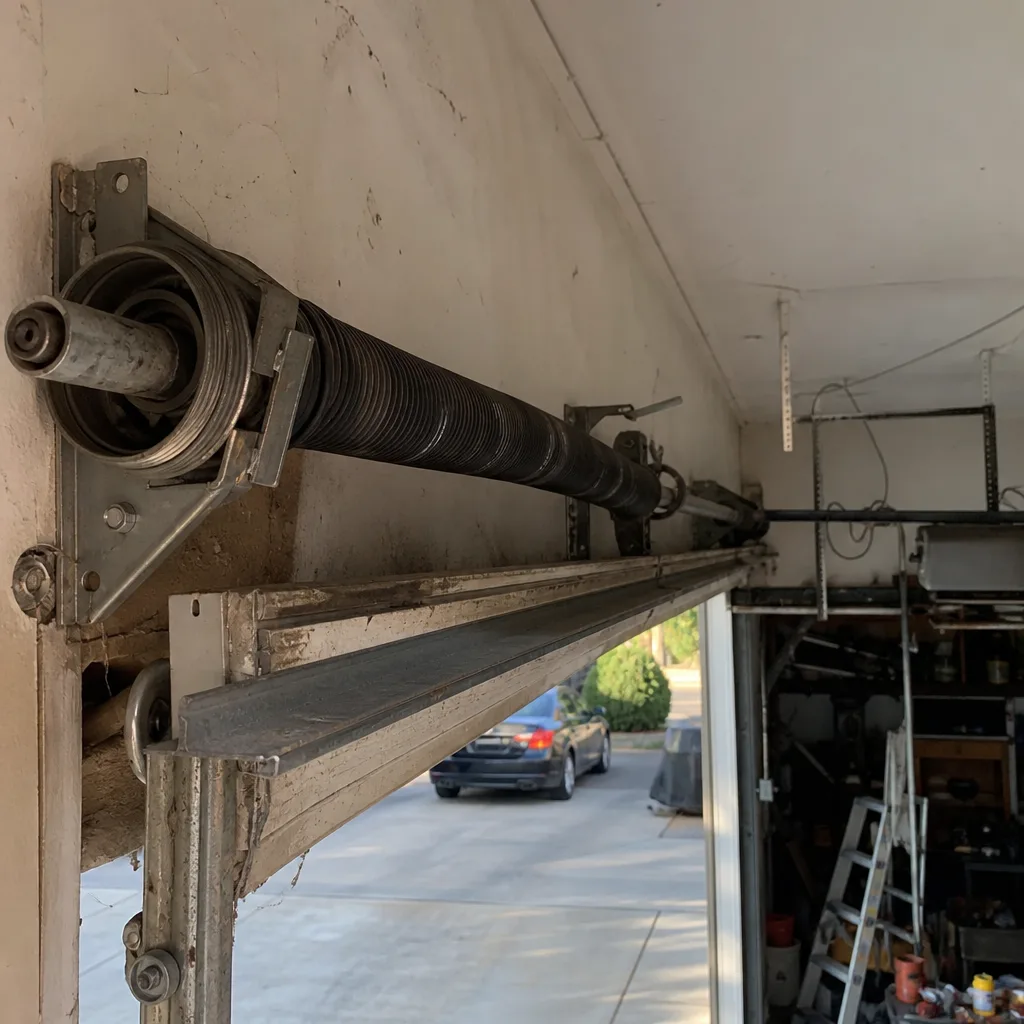 Before
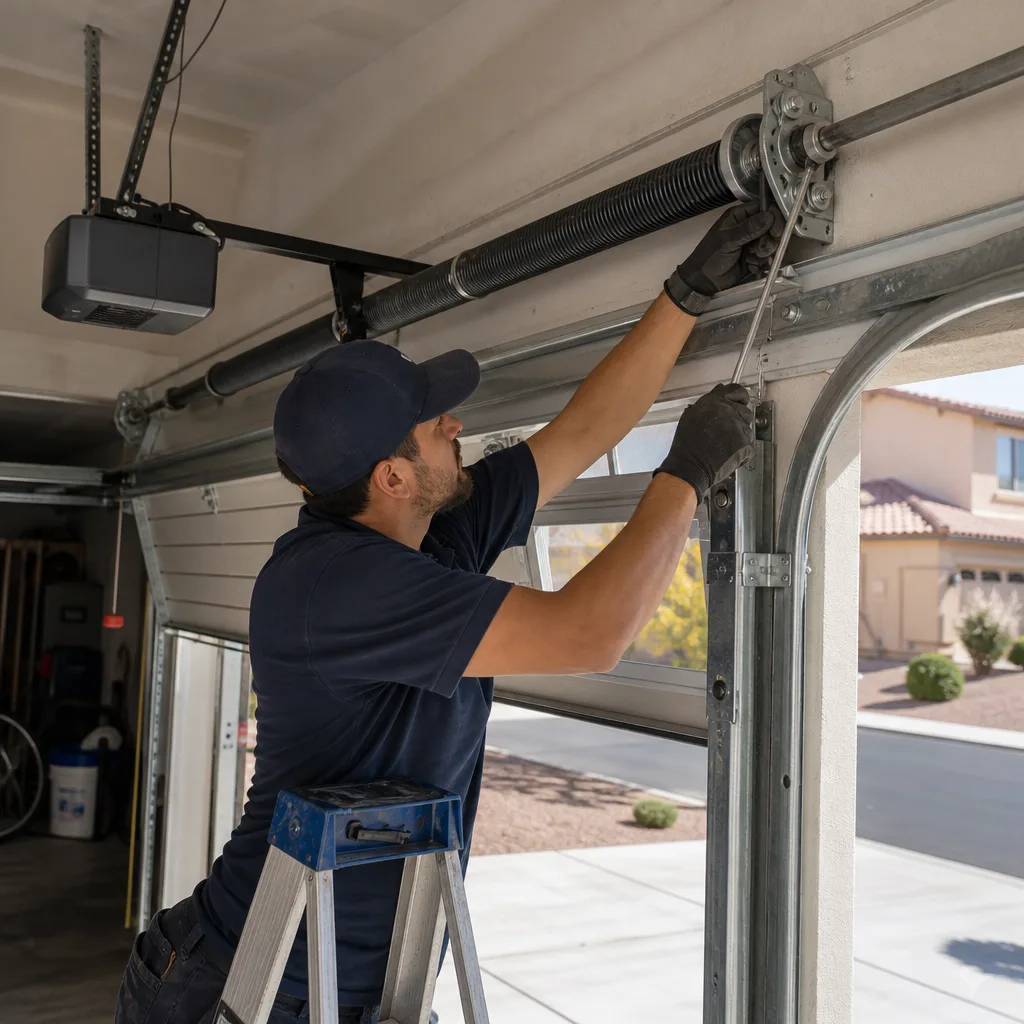 After
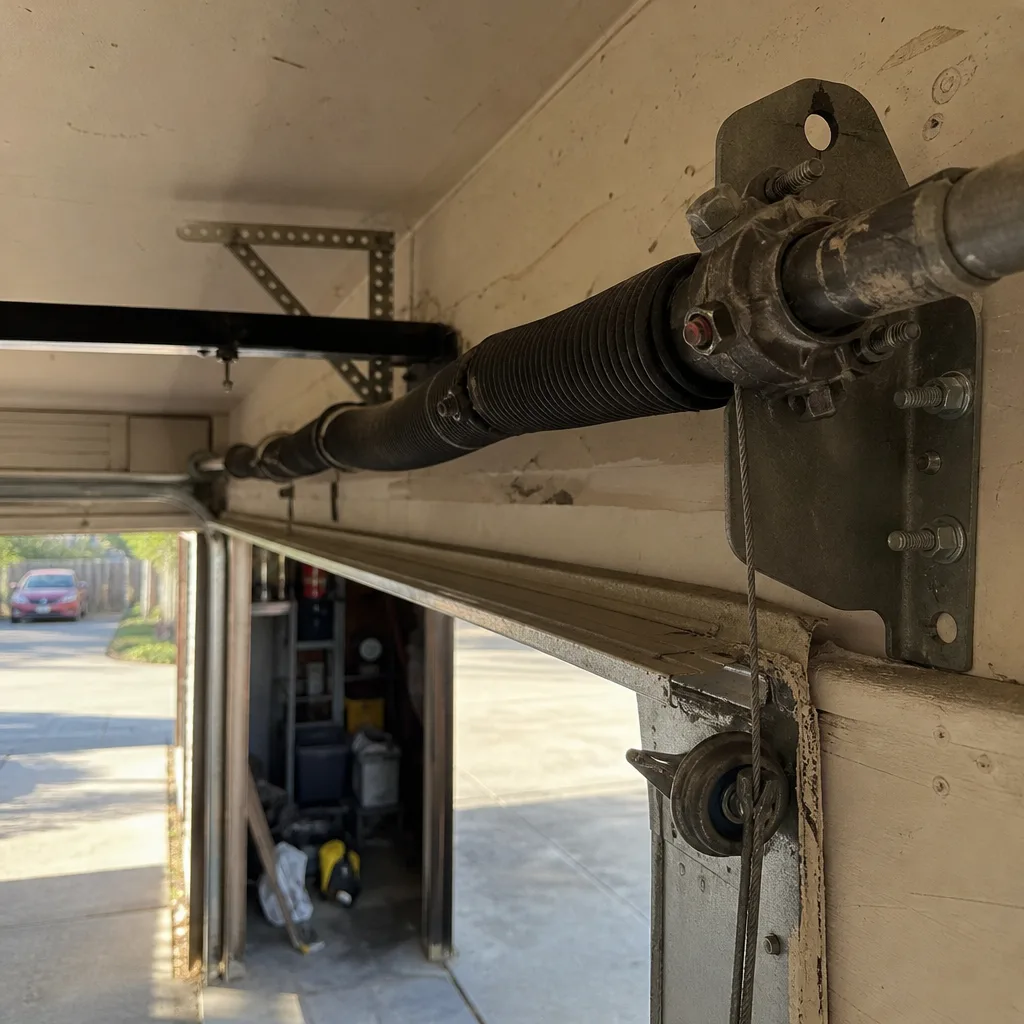 Before
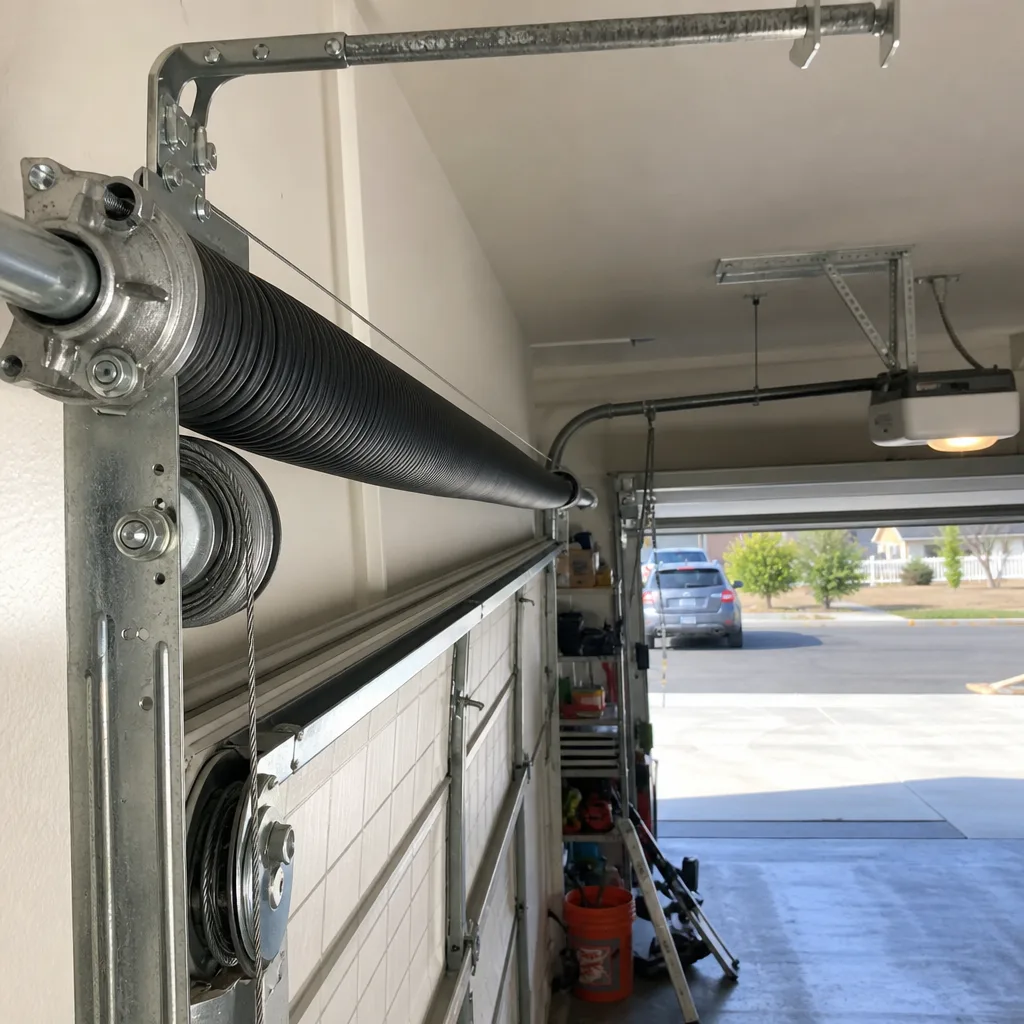 After