
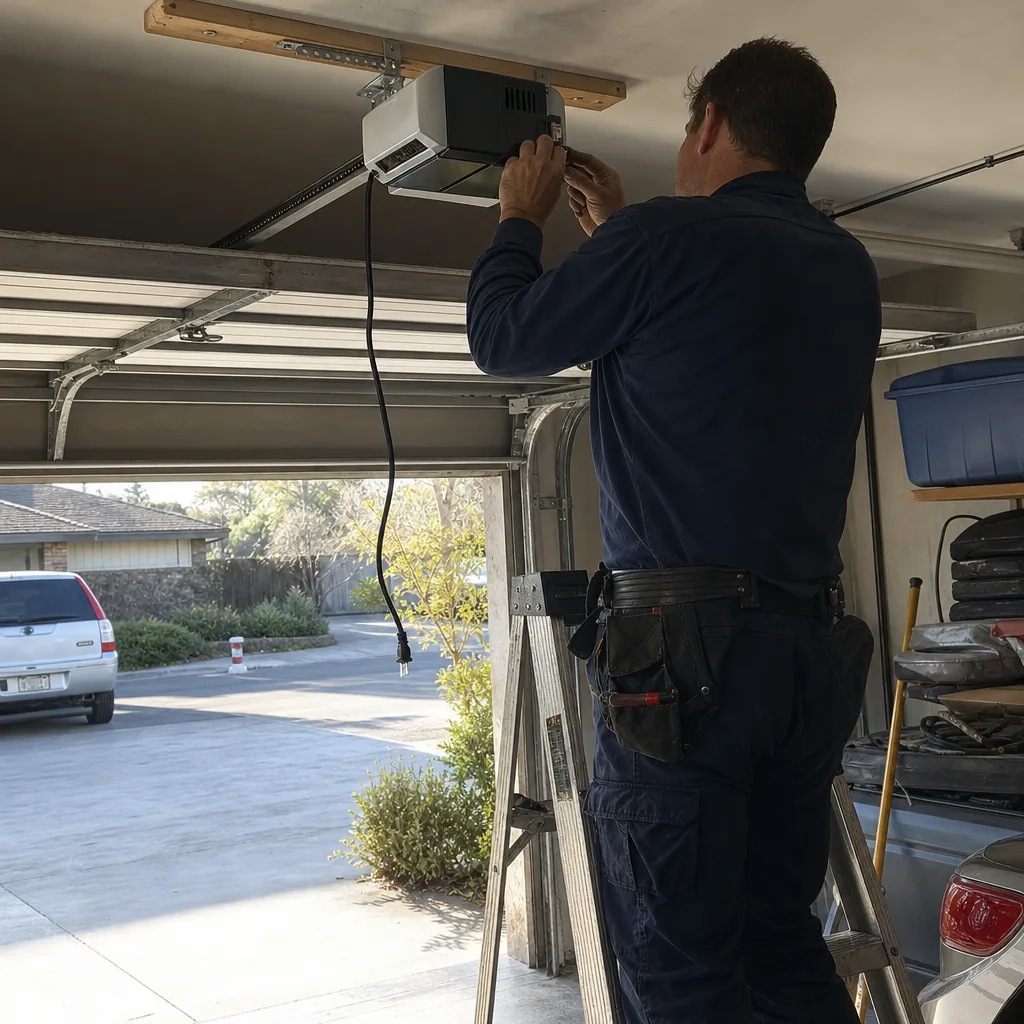
Last updated November 2, 2026
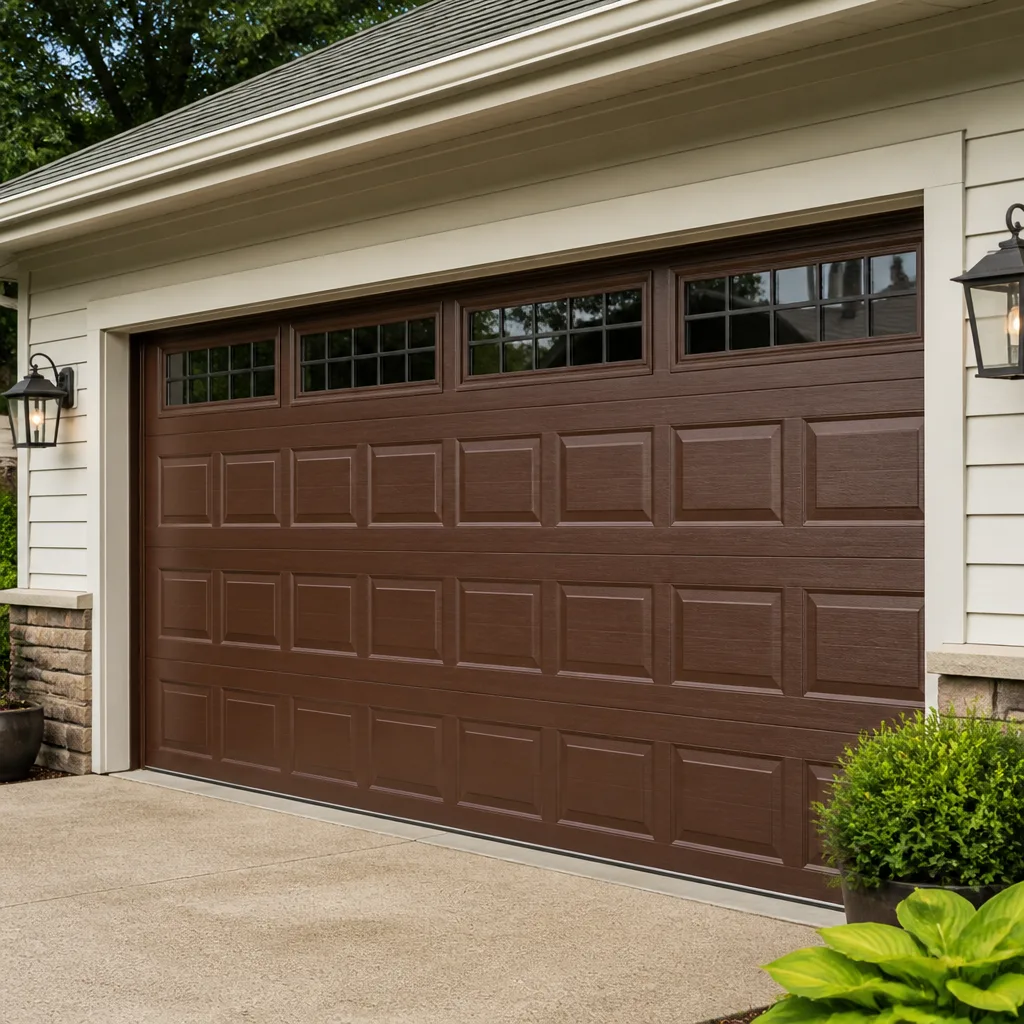 Raised-panel steel
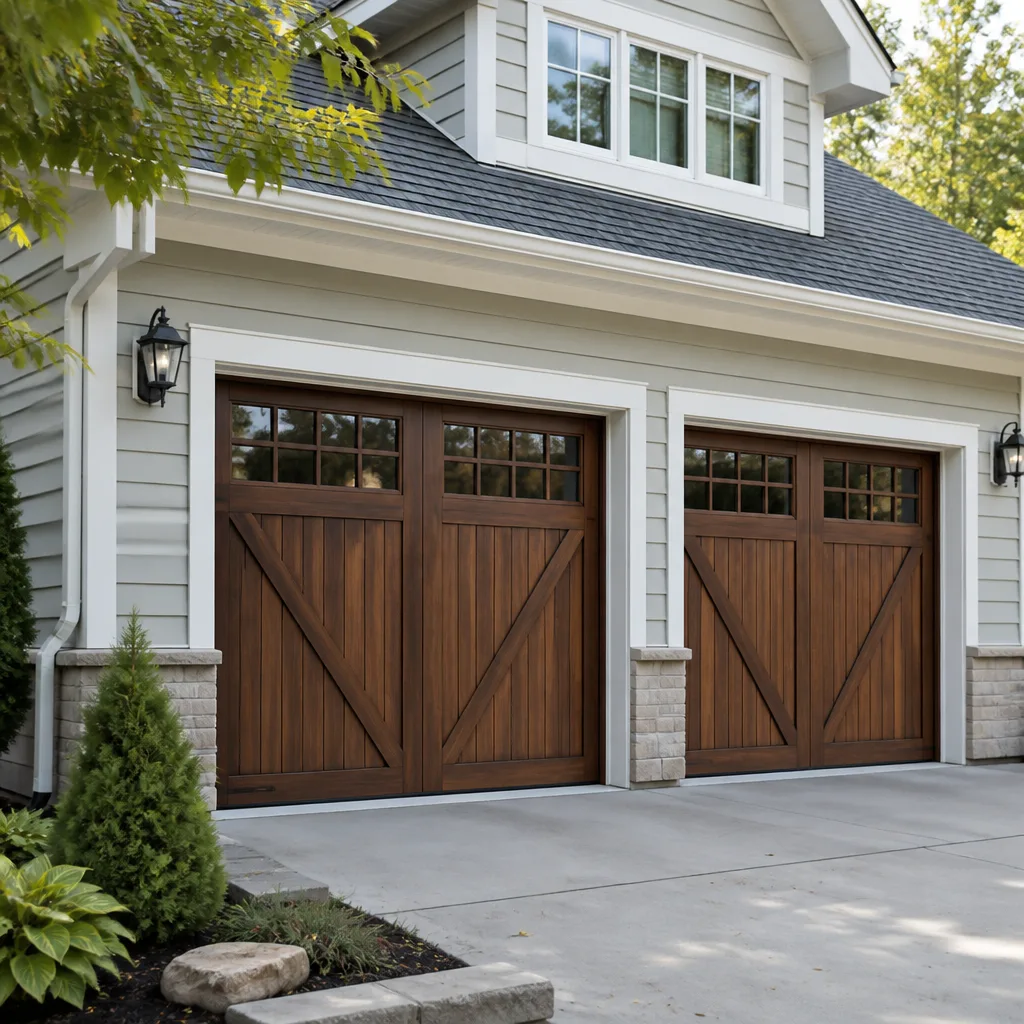 Carriage house
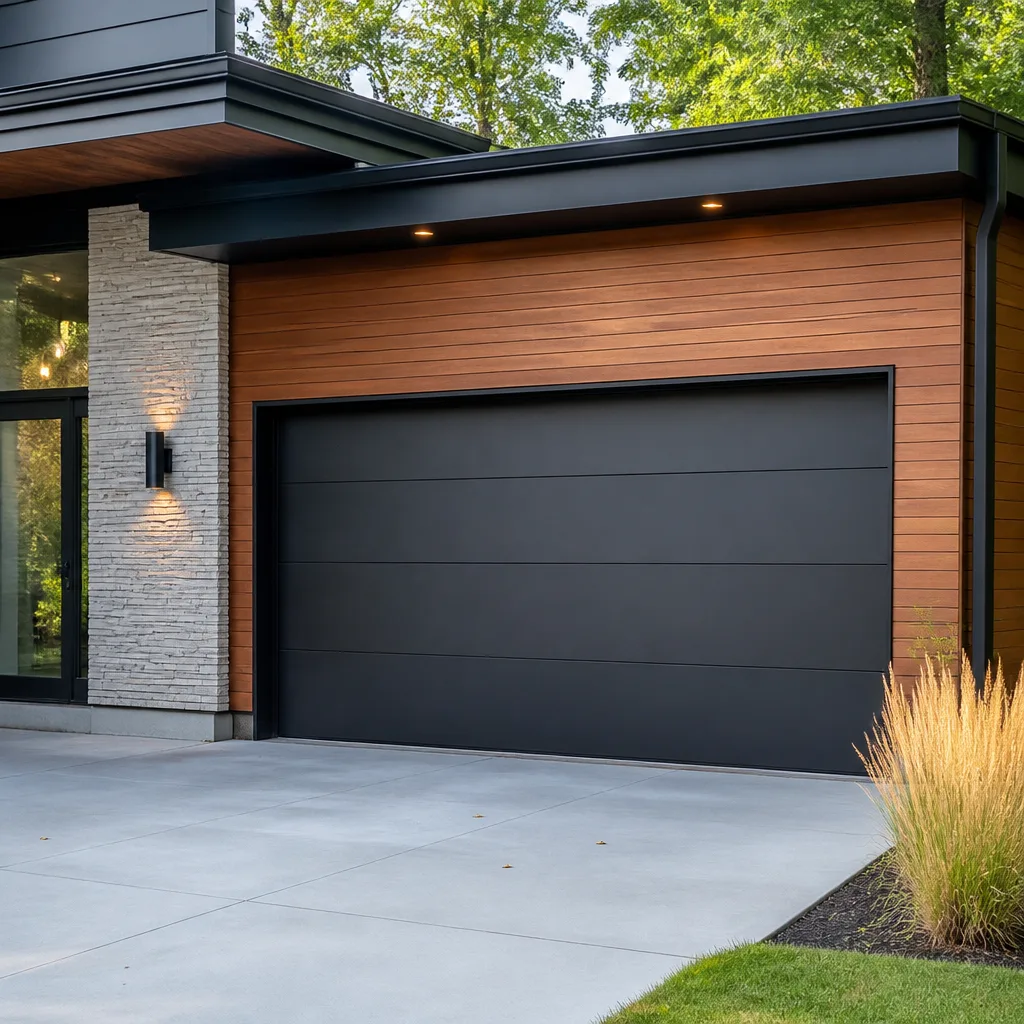 Modern flush
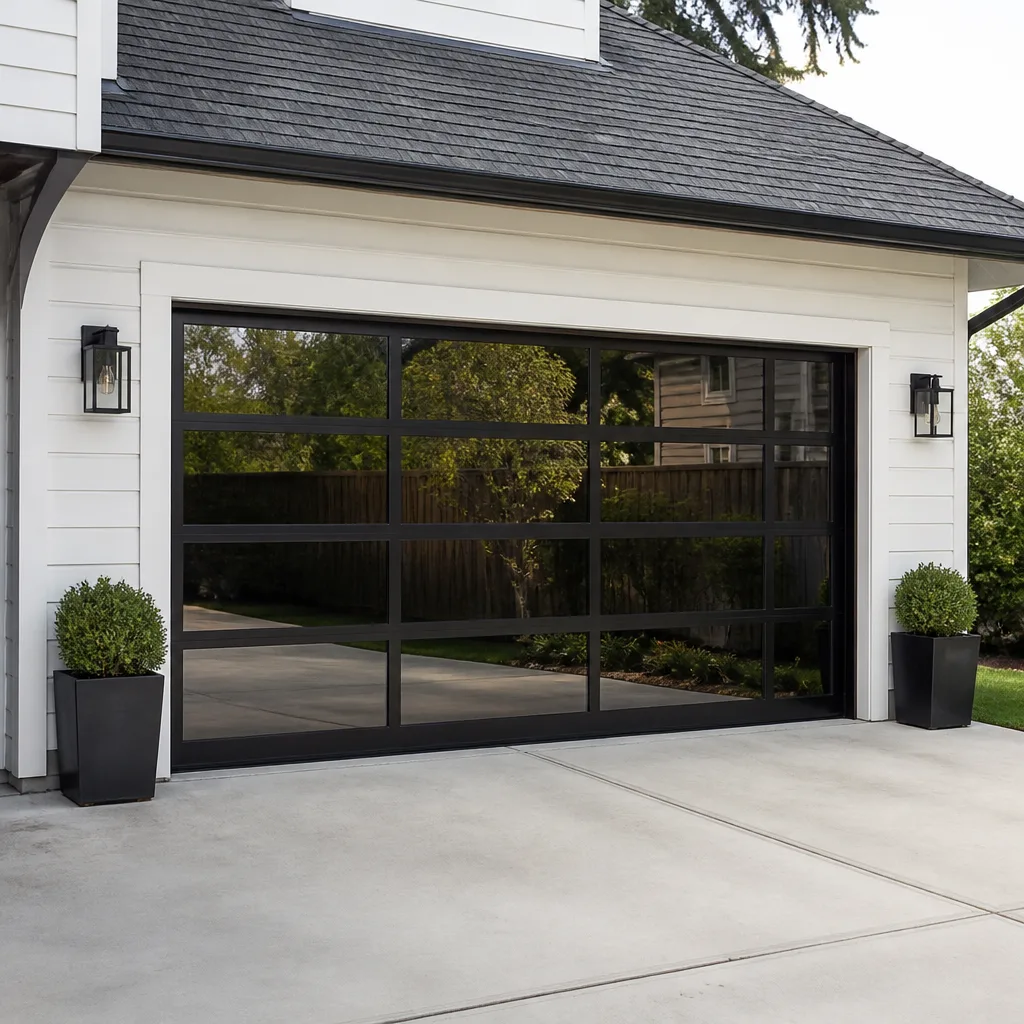 Full-view glass
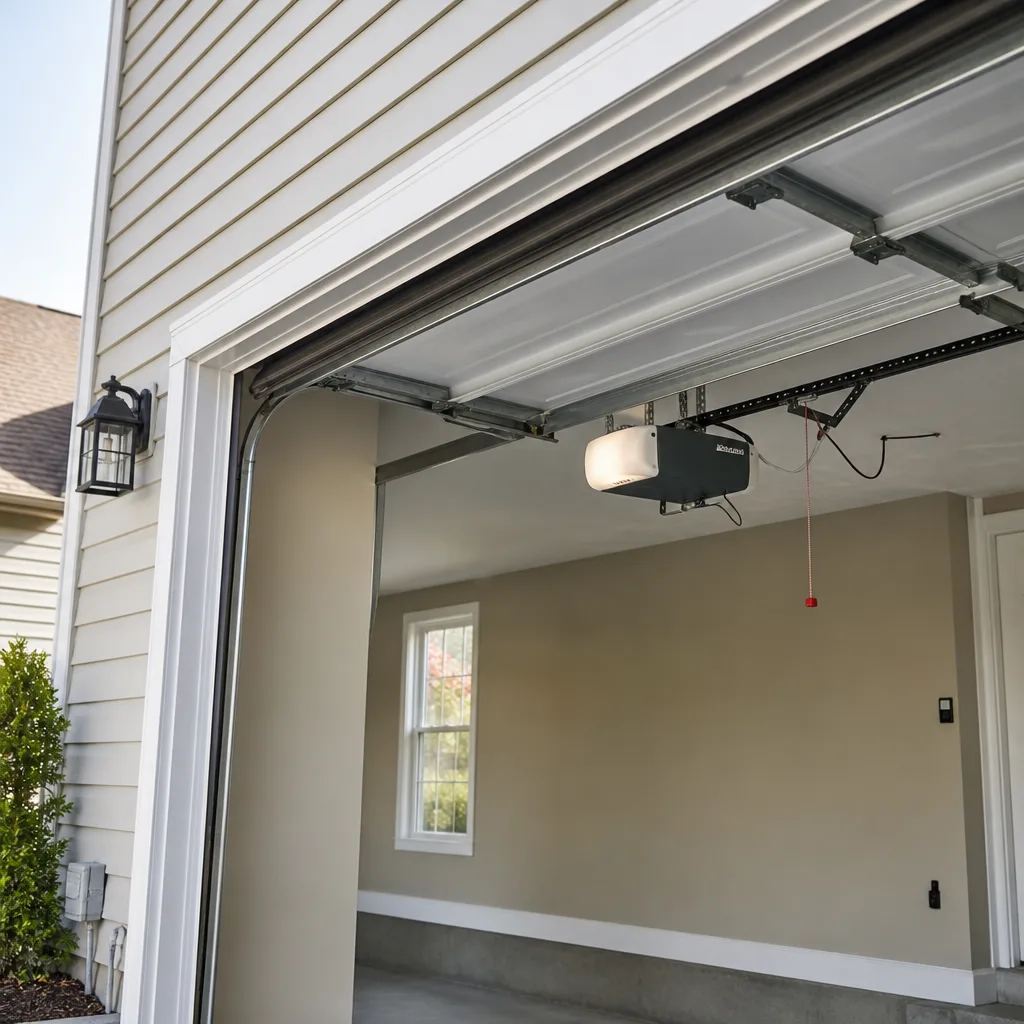 LiftMaster openers
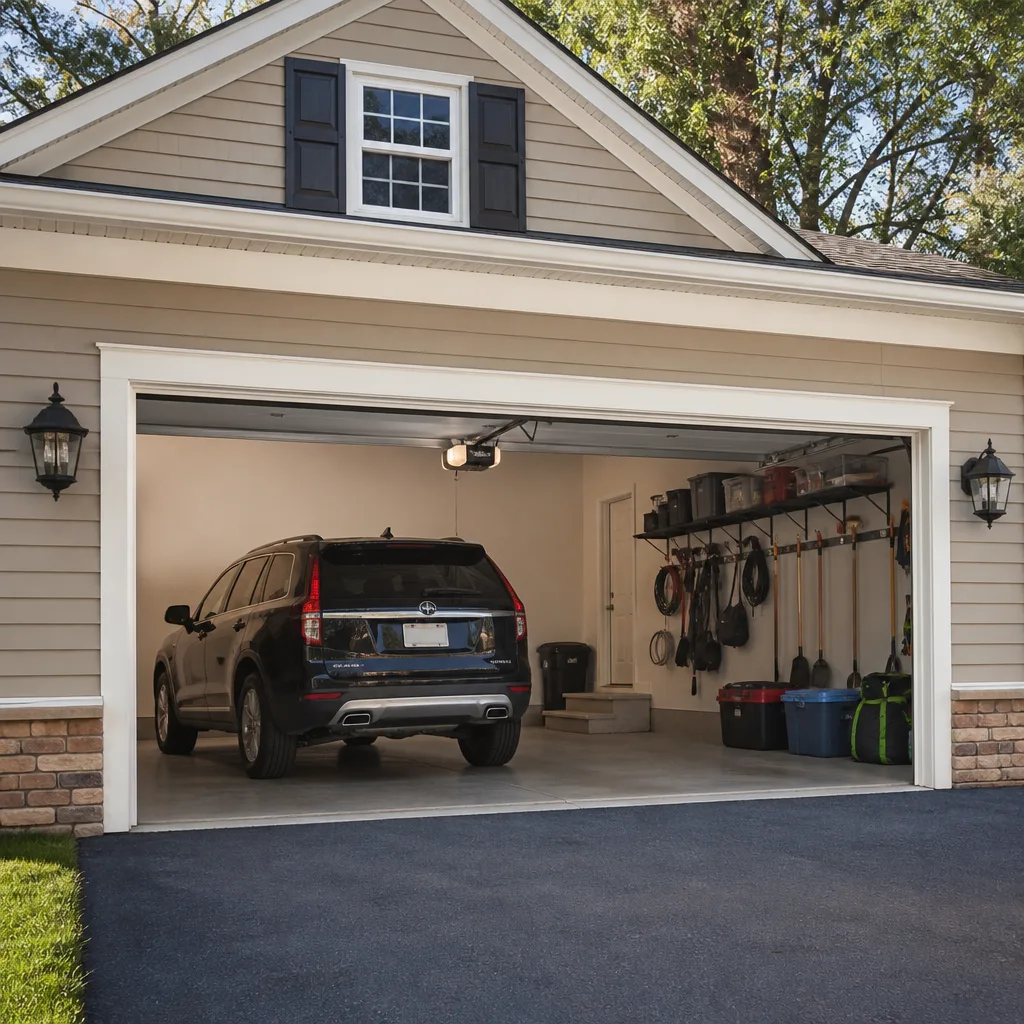 Chamberlain openers
Full 25-point door and opener safety check with every visit - springs, cables, rollers, tracks, and your LiftMaster or Chamberlain opener included
You get a price before we start. It does not change when the truck arrives.
Get your free estimateHow to Hire a Garage Door Contractor in Apple Valley: A Step-by-Step Guide
Apple Valley is not Los Angeles. There are fewer than a dozen contractors within reasonable service range of a typical Apple Valley driveway, which means the usual advice to “get three quotes” often produces one real specialist and two unqualified bids from general handymen who occasionally touch garage doors. This guide is a concrete vetting process built around the reality of the High Desert market, and you can find more guides & resources on our blog. You’ll learn exactly what license to check, which questions expose a generalist, how to read a quote, and how to avoid the replacement upsell that plagues this area.
Quick Answer
To hire a garage door contractor in Apple Valley, first verify their CSLB license classification (C-28 for garage door work or a legitimate subcontracting relationship), then test their brand fluency by asking them to compare two opener brands you actually use, and finally get a written quote that separates parts, labor, and trip fees before agreeing to any work. A real specialist will answer these questions directly; a general handyman will deflect. Call Brightwater Garage Door Repair home at (855) 473-2508 for a free estimate from technicians who work on LiftMaster, Chamberlain, Genie, Clopay, Amarr, Wayne Dalton, Craftsman, and Raynor doors every week.
Styles & brands we work with
- Raised-panel steel
- Carriage house
- Modern flush
- Full-view glass
- LiftMaster openers
- Chamberlain openers
Table of Contents
- Understand the California License Requirements (and Check Them Yourself)
- Use the Brand-Fluency Test to Separate Specialists from Generalists
- Ask About Parts Sourcing Before You Accept a Same-Day Promise
- Read a Quote Like a Contract: Labor, Parts, and Trip Fees
- Spot the Replacement Upsell and Other Apple Valley Red Flags
- Evaluate Warranty Terms That Are Actually Enforceable
- Follow the Apple Valley-Specific Hiring Process, Step by Step
Understand the California License Requirements (and Check Them Yourself)
In California, garage door installation and repair work requires a contractor’s license. The relevant classification is C-28, which covers door, gate, and activating device work. A company operating without this license is working illegally and has no standing to file a mechanic’s lien or enforce a contract against you. But here’s the nuance most guides skip: a contractor holding a B (General Building) license can legally subcontract the garage door portion of a larger project to a licensed C-28 subcontractor. The problem in Apple Valley is that many “contractors” hold neither and rely on homeowners not checking.
Verifying a license takes under two minutes. Go to the Contractors State License Board (CSLB) website, search the business name or contractor number, and confirm three things:
- The license is active, not suspended or expired.
- The classification is C-28, or the bidder has a documented subcontracting relationship with a C-28 holder.
- The license bond and workers’ compensation insurance are current.
In Apple Valley, where service radius stretches across the High Desert and into Victorville, Hesperia, and Lucerne Valley, unlicensed operators are a recurring problem. They advertise on local Facebook groups and community boards with handyman rates. We’ll say it plainly: if the person at your door cannot produce a CSLB license number and you cannot verify it on the state website, do not let them touch your door. A garage door under tension can seriously injure someone. This is not the place to save licensing costs. Our team at Brightwater holds the proper licensing and handles Garage Door Repair in Apple Valley for homeowners across the High Desert.
One more practical note: ask for a certificate of insurance directly from the contractor’s insurer, not a photocopy from the contractor. A legitimate operation will have their agent email it to you the same day. A generalist will stall.
Use the Brand-Fluency Test to Separate Specialists from Generalists
This is the single most effective question you can ask before hiring anyone. It works because it cannot be prepared for with a script. The test is simple: ask the bidder to name the pros and cons of at least two garage door opener brands for your specific use case.
For example, say you have a two-car garage on a quiet street in Apple Valley and you want an opener that doesn’t wake the neighbors on an early morning shift. A generalist will say something like, “They’re all pretty much the same.” A specialist will talk specifically. They’ll mention that a belt-drive opener from Chamberlain runs noticeably quieter than a chain-drive, that a Raynor wall-mount unit works well for garages with low ceiling clearance, and that a LiftMaster with battery backup handles the frequent High Desert power flickers that happen during summer monsoon season better than older models without it.
We work on eight major brands, including LiftMaster, Chamberlain, Genie, Clopay, Amarr, Wayne Dalton, Craftsman, and Raynor, as detailed in our guide on Choosing the Right Garage Door Brand: A Buyer’s Guide for Apple Valley. That breadth means we can answer the brand-fluency test without hesitating. More importantly, it means our recommendations are genuinely brand-neutral. We don’t have a vendor relationship pushing a single manufacturer’s product. Your door, not ours to complicate. If a bidder can’t discuss at least two brands fluently and specifically, they’ve told you everything you need to know. That’s not a contractor. That’s a parts-swapper.
The same test applies to door panels. Ask what the difference is between a steel gauge on a Clopay door and an Amarr door for an uninsulated garage in Apple Valley’s summer heat. A specialist will talk about insulation values, panel thickness, and what the afternoon sun does to a west-facing door. A generalist will talk about color options.
Ask About Parts Sourcing Before You Accept a Same-Day Promise
The High Desert logistics problem is real. Apple Valley sits far enough from major parts distributors that a “same-day guarantee” from a contractor without local inventory often means this: they arrive, diagnose the problem, and then tell you the part needs to be ordered. The door is still broken. You’ve already paid a trip fee. And the same-day promise quietly becomes a three-to-five-day wait.
This happens constantly with opener repairs. A specific logic board for a Genie opener, a limit switch assembly for a Chamberlain, a torsion spring conversion kit for a Craftsman door: these are not stocked at a hardware store on Bear Valley Road. A contractor running a single truck out of a Hesperia storage unit cannot carry every part. A specialist running a full-service operation in the area can carry common springs, cables, rollers, sensors, and opener parts across the brands they service.
Before you commit to any repair, ask the direct question: “Do you have these parts on your truck today, or will you need to order them?” Listen for a real answer. A specialist will tell you what’s on the truck and what isn’t, and they’ll be upfront if the specific spring size for your door is a custom order. A generalist will mumble something about “a quick trip to the supply house” that rarely ends the same afternoon.
For Garage Door Opener Repair in Apple Valley, this parts-sourcing question is even more important. Opener electronics are brand-specific. A board from a LiftMaster does not drop into a Genie. A contractor who doesn’t work on openers regularly will waste your time and your trip fee learning this on your driveway.
Read a Quote Like a Contract: Labor, Parts, and Trip Fees
Most bad hiring decisions in Apple Valley happen at the quote stage, not the work stage. Homeowners see a bottom-line number and don’t ask about structure. That’s a mistake. A structured quote tells you who you’re dealing with. Here’s what a legitimate quote includes:
- Line-item labor: the specific work being done (remove torsion spring, install new spring, balance door) with hours or flat-rate pricing stated.
- Line-item parts: brand, model, and size of every part being installed. “New spring” is not a line item. “Pair of Clopay .225-inch wire, 2-inch diameter, 26-inch torsion springs” is a line item.
- Trip fee transparency: whether the service fee is waived if you proceed with the repair, or charged as a separate diagnostic cost if you decline.
- Warranty language: what’s covered (parts, labor, or both), for how long, and any exclusions.
- Payment terms: when payment is due and any deposit requirements.
And the big one: it must state, in writing, that the price is quoted and agreed before any work starts. In our experience, a homeowner’s second biggest fear after the door not working is an invoice that arrives bigger than the quote. A contractor who will not commit to a written, fixed quote before starting work is not someone you want on your property. At Brightwater, every job gets a clear breakdown before any wrench touches metal. You know the number ahead of time.
Spot the Replacement Upsell and Other Apple Valley Red Flags
There’s a pattern in this market that we’ve seen too many times to count. A homeowner calls about a loud noise. The door still opens and closes. The noise is a worn roller or a dry bearing. An honest contractor diagnoses this in minutes and fixes it for a simple service call, as covered in The Complete Garage Door Repair Guide for Apple Valley Homeowners. A replacement-hungry operator looks at the same door and delivers a speech about how it’s “getting old” and “isn’t worth repairing.” Then they present a quote for a full new door and opener setup, thousands of dollars, before even inspecting the springs, cables, and rollers properly.
Here’s the rule: if a bidder recommends replacing the entire door before they’ve examined and diagnosed the individual components, get a second opinion. Specifically watch for:
- The spring upsell: some contractors tell homeowners that a broken spring automatically requires a new door. That’s false. Springs are routinely replaced on doors of any age, and a properly matched spring pair restores the door to full function.
- The “door won’t work anymore” line: a door that sticks or reverses is often a sensor, track alignment, or opener logic issue, not a dead door.
- The unbranded parts strategy: a quote that says “spring, generic” without a size specification, or “new opener” without a brand name, is designed to let the contractor install the cheapest thing available while charging specialist rates.
- The disappearing quote: if you can’t get a number in writing because “it depends,” walk away.
Apple Valley’s thin market makes this worse because there aren’t ten specialists around to compare against. Generalists know this and price accordingly. Your defense is the specific questions in this guide. Brand fluency. Parts sourcing. Quote structure. A replacement recommendation explained with specific component reasoning, not vague age-based fear, is sometimes legitimate. We tell homeowners “repair or replace, we’ll tell you honestly which one makes sense” because that’s the actual job. The answer isn’t always replace.
Evaluate Warranty Terms That Are Actually Enforceable
Warranty language is where many Apple Valley homeowners get taken. A vague promise like “all work guaranteed” means nothing enforceable. A real warranty specifies coverage, duration, and what happens when a part fails. Ask for it in writing on the invoice. Here’s what to look for:
- Parts warranty: most quality manufacturers warrant springs, panels, and opener components for specific periods. Ask which manufacturer warranty applies to your parts.
- Labor warranty: some contractors cover labor for 30, 60, or 90 days. A one-year labor warranty on a spring replacement is a sign of a company that installs correctly and stands behind the work.
- Opener warranty specifics: a Chamberlain or LiftMaster opener may carry a longer motor or belt warranty than a basic model. Your contractor should explain this based on the model they installed.
- Transferability: if you sell your home, what transfers to the new owner? This matters more in Apple Valley’s active real estate market than most guides admit.
A contractor who refuses to put warranty terms in writing, or whose warranty is “we’ll come back if there’s a problem” without duration or coverage definitions, is offering you nothing. Don’t pay specialist prices for nothing. The warranty should be a section on the invoice or a separate line on your quote, not a verbal sentence. When we service doors across Apple Valley, the warranty terms are printed. That’s the standard. Hold every bidder to it.
Follow the Apple Valley-Specific Hiring Process, Step by Step
This is the actual process we’d recommend to a family member who owns a home in Apple Valley. It’s built around the High Desert market, where the contractor pool is thin and verification is everything. Follow these steps in order:
- Write down your door and opener brands before you call anyone. Look at the brand name on the door panel and on the opener motor housing. Knowing you have a Wayne Dalton door and a Craftsman opener changes the conversation from the first minute.
- Call and ask for the CSLB license number first. Before you describe the problem. A legitimate company will give it to you without hesitation. If they don’t answer this question, the call is over.
- Verify the license on the CSLB website. Check the classification is C-28 or legitimate subcontracting, the bond is active, and workers’ comp is current. Two minutes on the site saves weeks of aggravation.
- Describe the problem and ask what the diagnostic process includes. A specialist will tell you what they’ll inspect. A generalist will say “we’ll take a look.”
- Ask the parts-sourcing question. “If it’s a spring or an opener board, do you have that on the truck today?” Listen for the specific answer.
- Ask for the quote structure. Written, itemized, with labor and parts separated and trip fee stated. If they can’t do this, you’re done.
- Run the brand-fluency test. Ask about two opener brands for your use case. A specialist answers fluently. A generalist deflects.
- Get the warranty in writing before the work starts. If the warranty isn’t on the invoice or quote, ask for it to be added.
- Confirm the price is fixed before any work begins. No surprises. No “we found more stuff” without a call and a new written agreement.
This process takes longer than picking the first name on a Google search or a Facebook recommendation, but it’s the difference between a door fixed right the first time and a door that becomes a recurring problem. For Garage Door Installation in Apple Valley, the same process applies, with the added step of confirming the installer will handle permits if your installation changes the garage structure or electrical wiring. In most straightforward replacements, a permit is not required, but if you’re converting to a different door type or altering the opening, the contractor should know the local Apple Valley building department requirements. That’s another specialist-versus-generalist tell.
Common Mistakes to Avoid
- Hiring the first name on a community Facebook post without checking CSLB. Apple Valley’s community boards are full of unlicensed handymen offering “garage door cheap.” Cheap ends up being a door that fails again or, worse, a door that falls because someone without proper training touched the springs.
- Accepting a bottom-line quote without a parts and labor breakdown. You can’t verify what you can’t see. A bottom-line number is how contractors hide generic parts at specialist prices.
- Believing a same-day promise from a contractor who doesn’t stock your brand’s parts. In the High Desert, same-day means same-day only if the part is already on the truck. Ask before you agree.
- Agreeing to a full replacement when only a spring, cable, or roller is broken. This is the most common expensive mistake in Apple Valley. Get a component-level diagnosis before accepting a replacement recommendation.
- Skipping the brand-fluency question. It feels awkward to test someone, but it’s the fastest and most reliable separator between a real specialist and a handyman. Asking about opener brand pros and cons takes thirty seconds and tells you everything.
- Not getting the warranty in writing. A verbal promise is not a warranty. If it’s not on the invoice, it doesn’t exist.
- Paying in full upfront before work is completed. A deposit on a large installation job may be reasonable. Full payment before a repair is finished is a red flag in this market.
See the difference
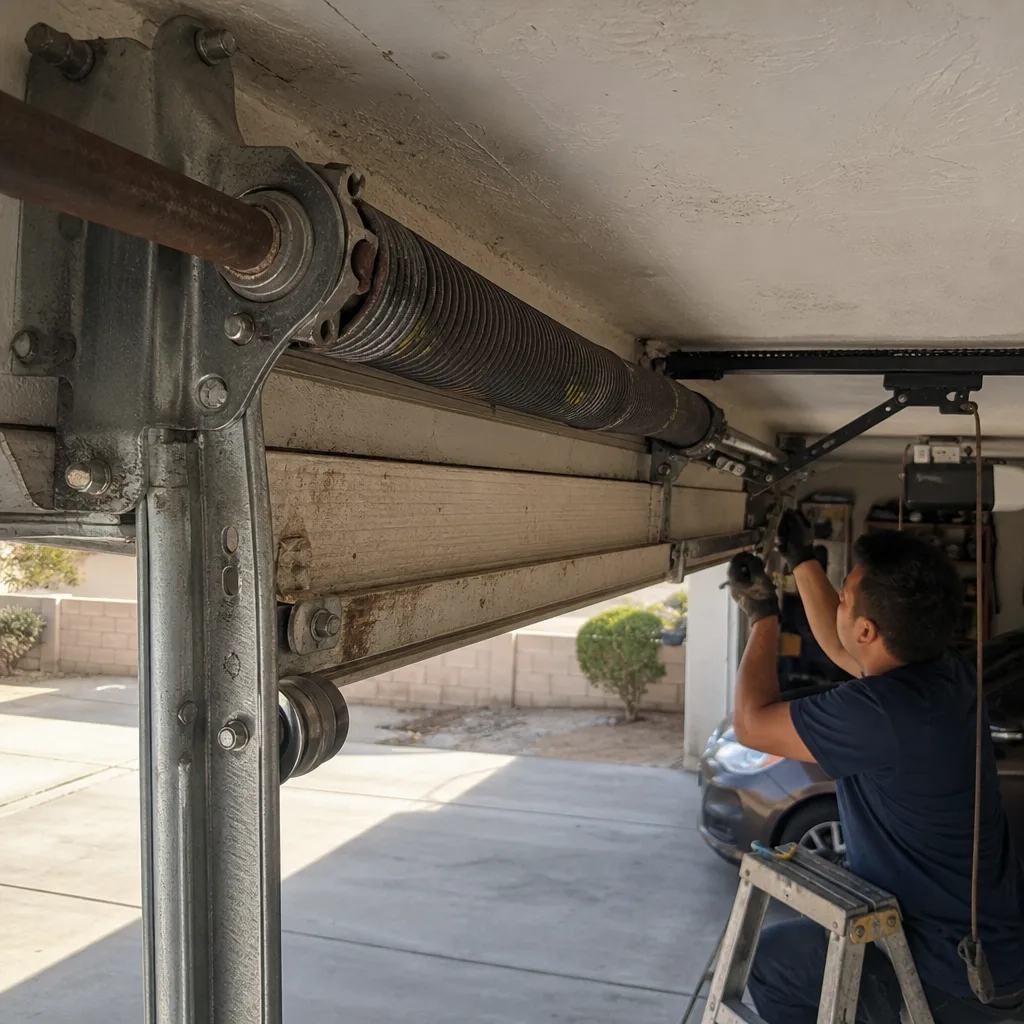 Before
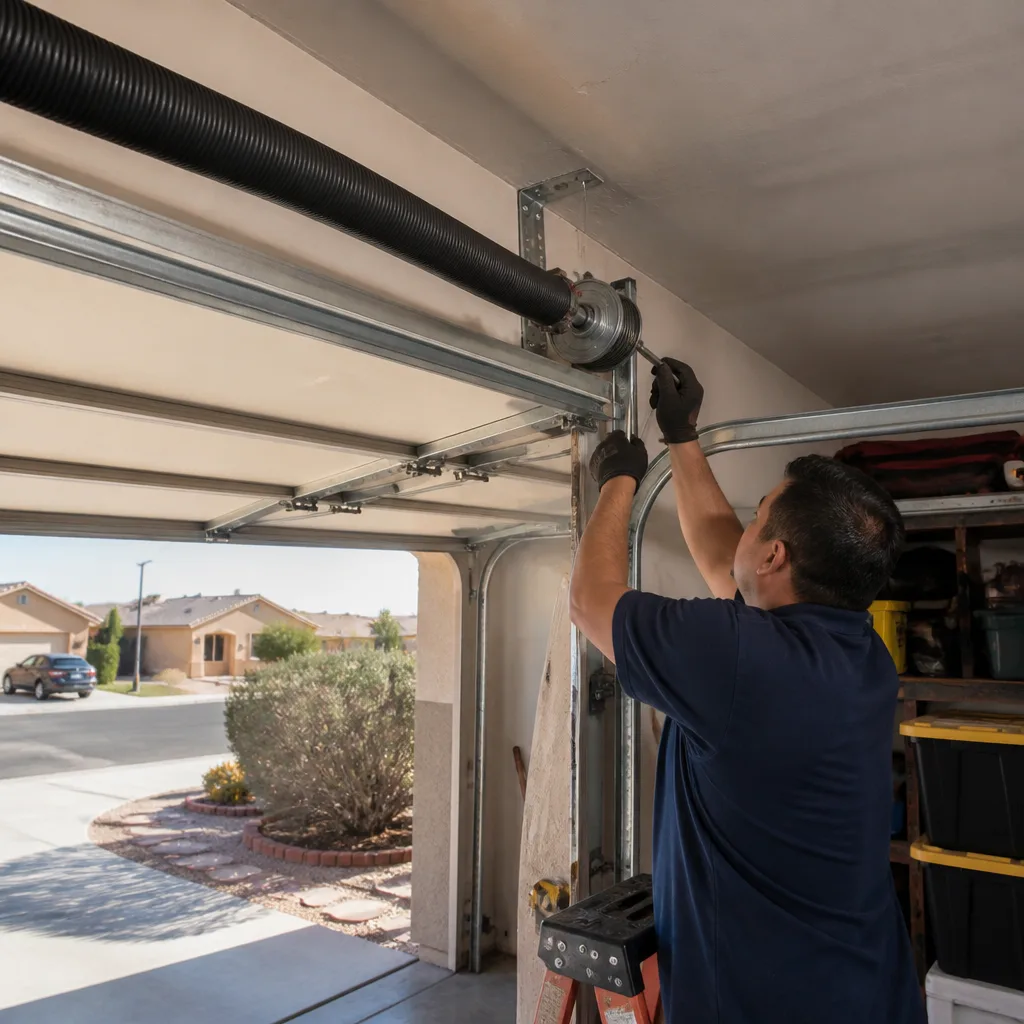 After
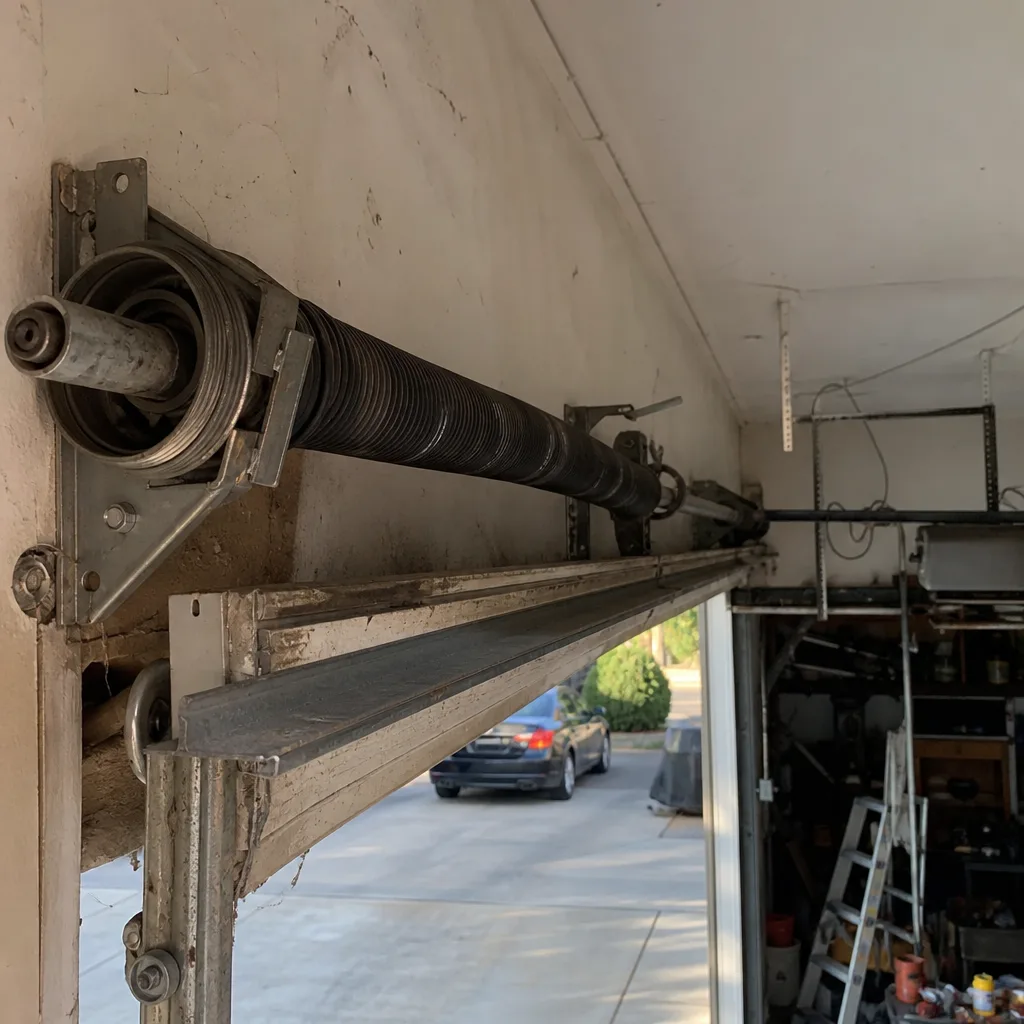 Before
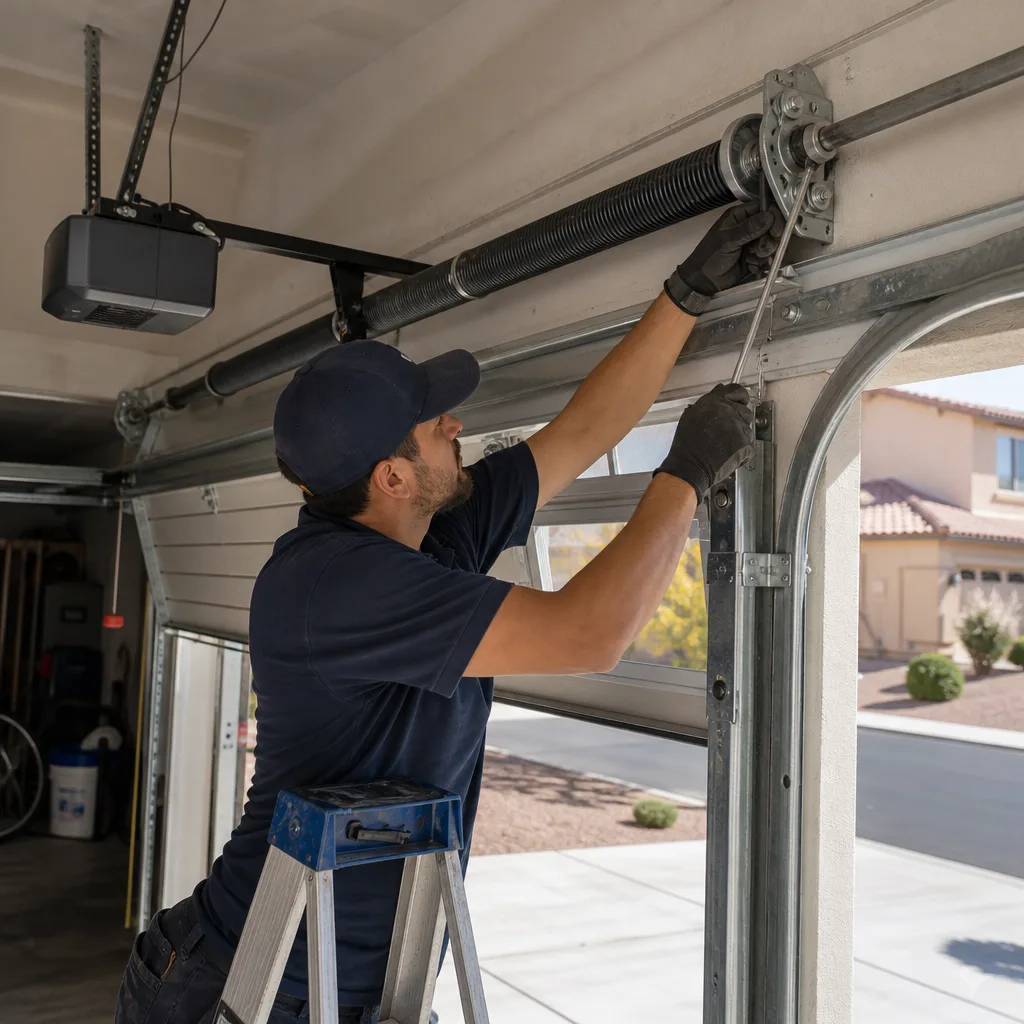 After
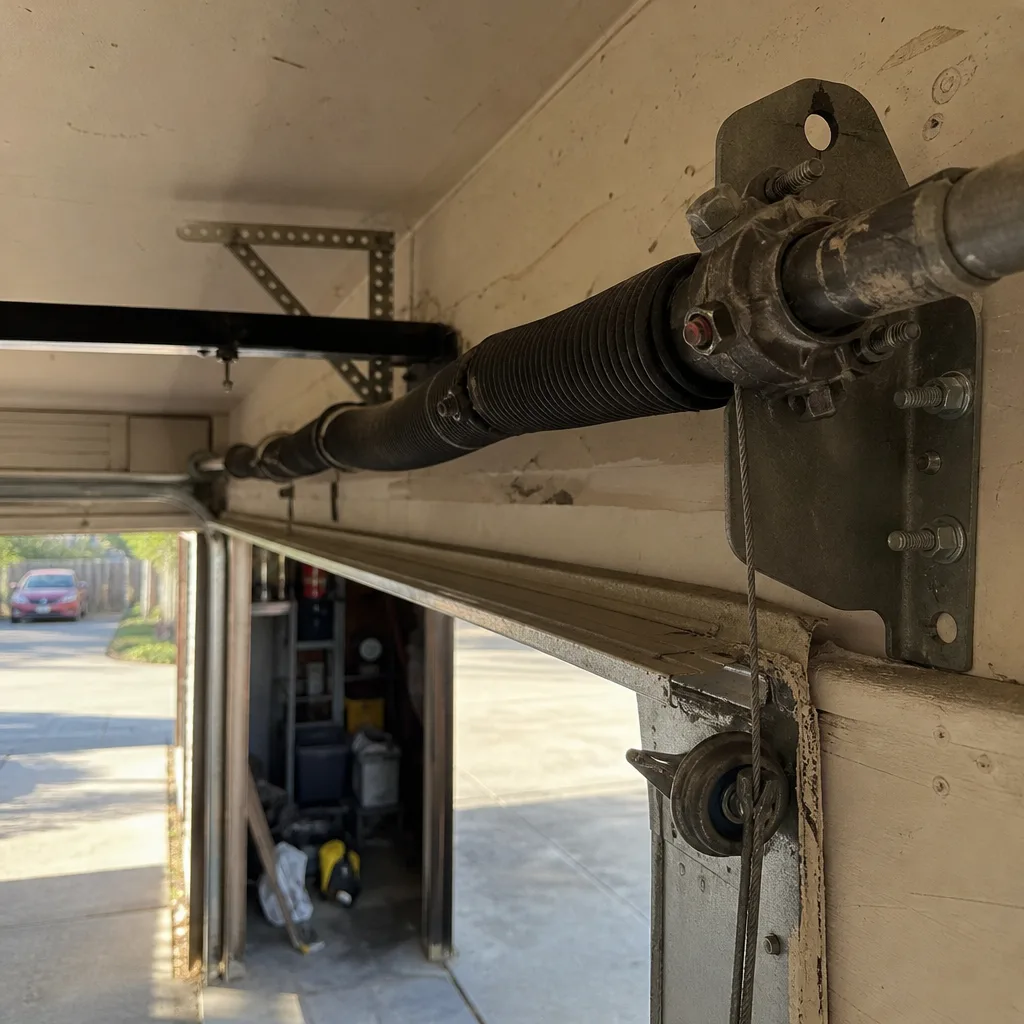 Before
 After
When to Call a Professional
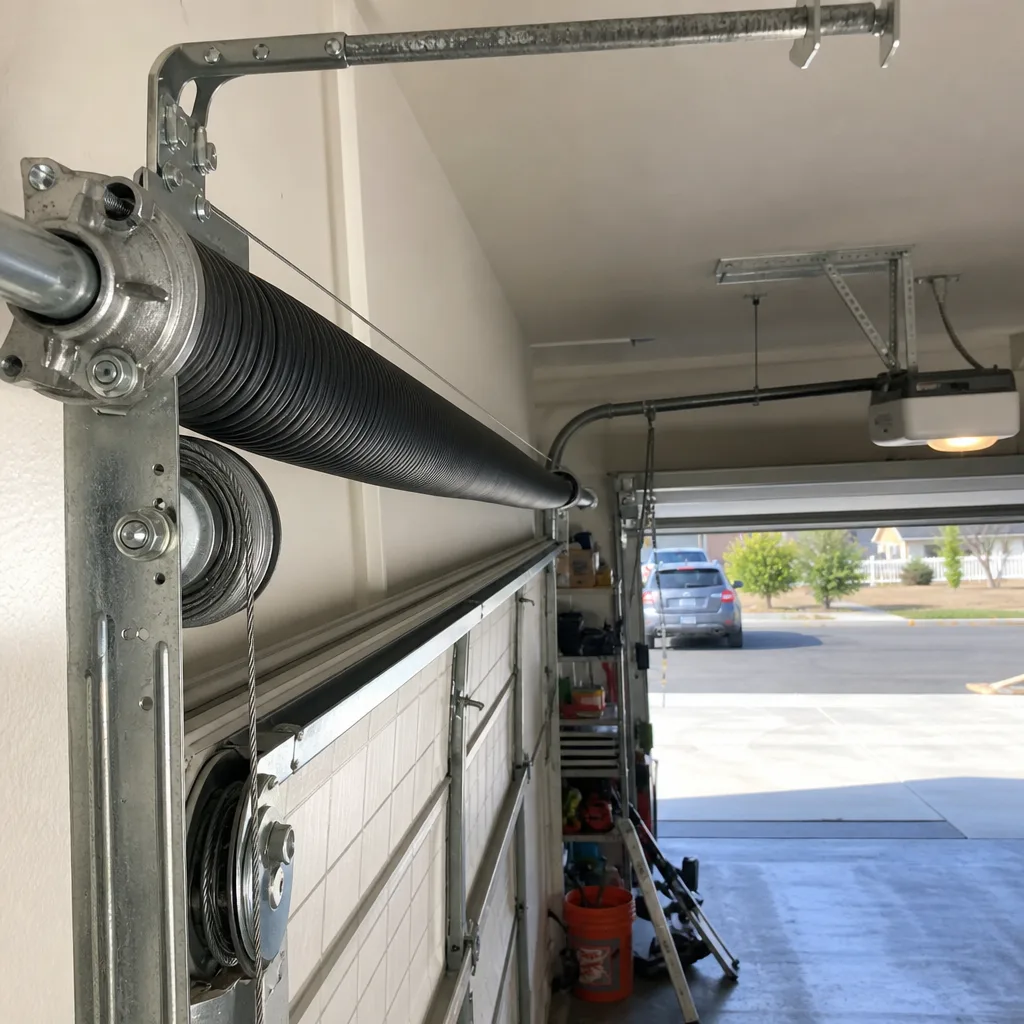
Call a professional when the door makes a sound you can’t identify, when it moves unevenly or jerks, when the opener runs but the door doesn’t move, or when any visible cable, spring, or track component is damaged. These signs indicate the door’s safety mechanisms may be compromised. A garage door under spring tension is dangerous. Do not attempt to adjust, remove, or replace torsion springs yourself. A cable snap or spring failure can cause severe injury. If you suspect a spring issue, stop using the door and call a licensed specialist. Brightwater Garage Door Repair offers free estimates in Apple Valley. Call (855) 473-2508 and we’ll inspect the door, explain what’s happening, and quote a fixed price before any work begins.
Frequently Asked Questions
Garage door repair in Apple Valley typically costs between $180 and $500 for common issues like spring replacement, cable repair, or roller replacement, with more involved work like opener logic board replacement running higher. The exact price depends on your door’s brand, the specific component that failed, and whether parts are already stocked on the contractor’s truck. Call (855) 473-2508 for a free, itemized estimate with a fixed price agreed before work begins.
Same-day repair in Apple Valley depends on the contractor’s parts inventory, not just their schedule. A technician who carries common springs, cables, rollers, and opener parts for multiple brands can often complete a repair the same day. A generalist who doesn’t stock parts will charge you a trip fee, diagnose the problem, and then order the part. Ask about parts sourcing before you commit.
Go to the Contractors State License Board (CSLB) website and search the contractor’s business name or license number. Confirm the license is active, the classification is C-28 (garage door work) or the contractor has a documented subcontracting relationship with a licensed C-28 holder, and the bond and workers’ compensation are current. This two-minute check is the most important step in the entire hiring process.
No. Torsion springs are under extreme tension and can cause serious injury or death if they release while you’re working on them. This is not a DIY project. A professional with the right tools, training, and experience can replace a spring safely and correctly. The cost of a professional spring replacement is trivial compared to the risk of doing it yourself.
The most common brands in Apple Valley driveways are LiftMaster, Chamberlain, Genie, Clopay, Amarr, Wayne Dalton, Craftsman, and Raynor. Before hiring any contractor, confirm they work on your specific brand. Brightwater works regularly on all eight of these major brands, which means we diagnose and fix in one visit without ordering parts from a distant distributor.
Estimates are free. Call (855) 473-2508, tell us what’s happening with your door or opener, and we’ll schedule a time to inspect the system. We’ll provide a written, itemized quote with a fixed price agreed before any work starts.
The Bottom Line
Hiring a garage door contractor in Apple Valley is not about finding the cheapest price or the first available schedule. It’s about verification. Verify the CSLB license. Verify the parts are on the truck. Verify the quote is itemized and fixed. Verify the warranty is in writing. And run the brand-fluency test, because a contractor who can’t discuss the pros and cons of a LiftMaster versus a Raynor opener in plain English is not someone you want diagnosing a door you rely on every single day. Follow the process in this guide and you’ll end up with a specialist who fixes the door right the first time, not a generalist who creates a recurring problem. For year-round upkeep tips, see our Seasonal Garage Door Care for Apple Valley: Year-Round Homeowner’s Guide. Brightwater Garage Door Repair serves Apple Valley with factory-trained technicians across all major brands. Call (855) 473-2508 for your free estimate.
Written by the team at Brightwater Garage Door Repair, serving Apple Valley since 2018.